Ticks Near the Pool Gate and Ants in the Garage
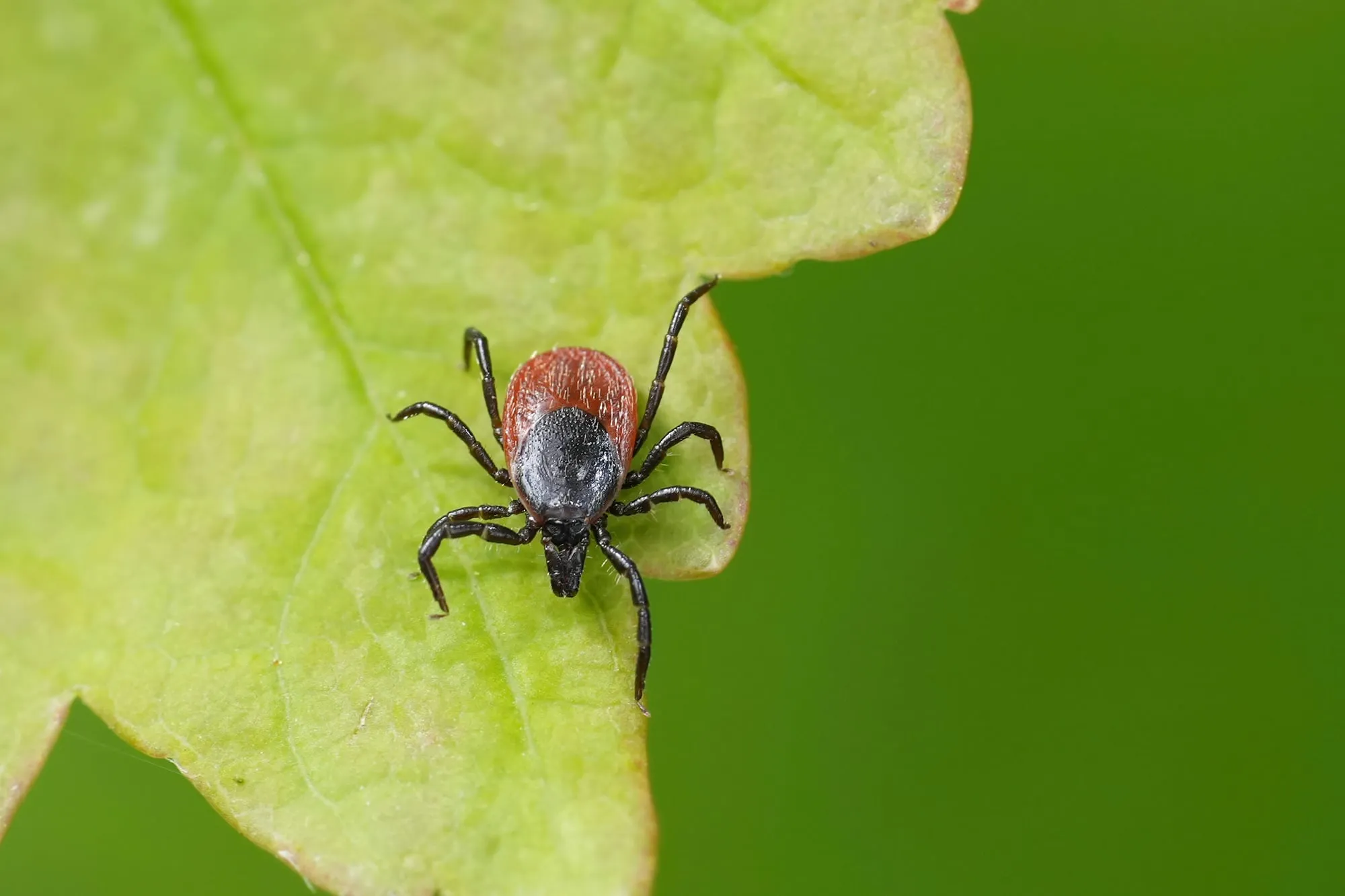
Pool gates and garage corners see heavy foot traffic while ticks use lawn edges and ants follow pet food and recycling residue. Checks before guest weeks on East End properties.
Expert tips, guides, and insights to help you protect your home and property
Pool gates and garage corners see heavy foot traffic while ticks use lawn edges and ants follow pet food and recycling residue. Checks before guest weeks on East End properties.
Outdoor dinner season on the East End pairs tick checks on lawn edges with ant trails at the grill. Practical perimeter habits before guests sit down.
Returning after travel often means ants at the slider, ticks on unmowed edges, and pantry surprises. A practical reopen checklist before guests arrive.
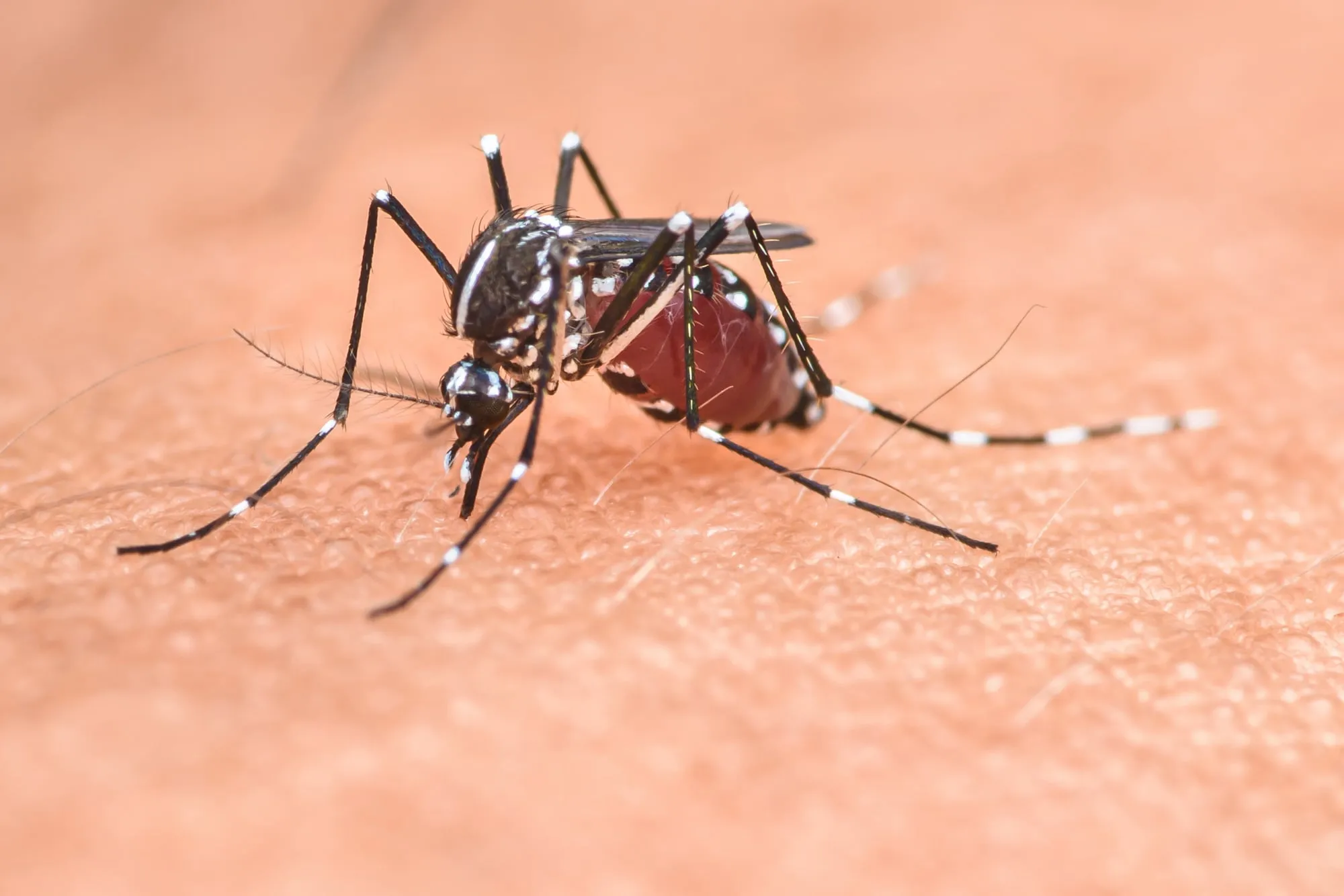
Warm evenings concentrate mosquitoes beside deck railings while saucers, gutters, and low spots breed more nearby. Practical fixes for East End outdoor dinners.
Practical steps before travel weeks: secure food, dry moisture zones, and set perimeter habits so ants, pantry pests, ticks, and mosquitoes do not move in while you are away.
Warm East End days keep ants moving along foundations and ticks waiting on lawn edges at the same time outdoor life picks up. How to tell them apart and respond.
A practical guide to pest pressures and service planning for Southampton properties on the South Fork, from village homes to oceanfront lots.
Plan deer repellent on paths, hedges, and new growth before guests notice chewed tips at dusk. Practical timing for East End landscape edges.
Two questions about your coastal weekend on the East End. Get pointed to articles and services for ants at trim, ticks at edges, mosquitoes at dusk, or rodents near structures.
Warm nights on the East End wake carpenter ant activity along window sills and trim. How to read frass piles, separate ants from termites, and when to call before guest weeks.
Fence lines, stone walls, and unmowed strips on Long Island hold tick habitat long before July. Walk late May edges before beach guests cut corners through brush.
Late May on the East End brings sticky air, foundation moisture, and ant trails on the same calendar as packed beach weekends. How to sort kitchen lines from perimeter problems before guests arrive.
Mid-May on the East End brings humidity, pantry ants, and wood-line ticks on the same calendar as beach traffic. How to sort each problem without treating every insect the same way.
Two questions about your May weekend on the East End. Get pointed to articles and services for ticks at the wood line, mosquitoes at deck dusk, deer browse, or winged insects at the door.
Longer evenings mean porch lights run longer on Long Island. How cobwebs, jumping spiders, and calm cleaning habits fit a May guest calendar without turning every strand into a crisis.
Pick your top pest worry before guests arrive and how tight your calendar is. Get pointed to the right Hampton Pest Management articles and services.
May lawns see more feet, pets, and bag chairs before true summer. Walk edges, play zones, and pet paths with a calm checklist for East End yards.
Longer evenings mean lights, music, and mosquito pressure before Memorial Day. Where water hides on East End lots, how combined programs work, and when BioBelt fits.
Weekend openings change how pantry moths move through a Hamptons kitchen. A simple inspection rhythm, what to toss, and when stored-product help makes sense.
Fine grit on a window sill after the first warm nights usually means something specific. Here is how East End homeowners tell carpenter ant debris from dust, termites, and pollen.
Peak outdoor months on Long Island layer mosquitoes, ticks, deer browsing, and stinging insect traffic at the same time. Here is a simple month-by-month rhythm that matches how Hampton Pest Management talks about services on the East End.
You flipped on the lights and something darted under the dishwasher. How East End homeowners tell roaches from common beetles, where problems often start in second homes, and how we approach roach control after a careful look.
You just opened a South Fork or North Fork place after time away. Answer three quick questions and get focused next steps tied to Hampton Pest Management services and articles.
A season-by-season look at how combined tick and mosquito programs work on the East End: what we inspect, how often we treat, and how to time your first visit.
Late March and April thaws do not just bring nicer days. They wake ants, ticks, rodents, and overwintering insects. Here is what we watch for on Hamptons properties.
Answer a few questions about your yard, landscape, or home, then jump to a recommendation based on what you are seeing on the East End.
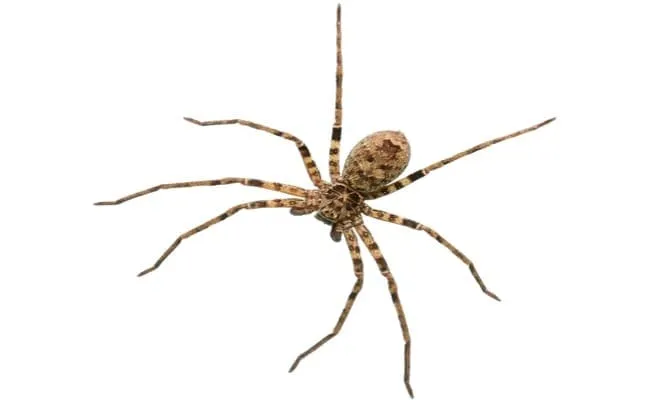
Garages and sheds in Suffolk County collect webs fast. Most spiders are harmless helpers, but heavy webs, egg sacs, and indoor migration can signal it is time for a pro. Hampton Pest Management explains what is normal and what is not.
Pantry moths often greet homeowners who reopen a summer place in Suffolk County. Here is how they got there, how to clean without spreading them, and how Hampton Pest Management helps when the problem is bigger than one shelf.
If fine sawdust keeps appearing under a window or along baseboards in a Hamptons home, carpenter ants may be tunneling in damp wood. Here is what to check, what to fix, and when to call Hampton Pest Management.
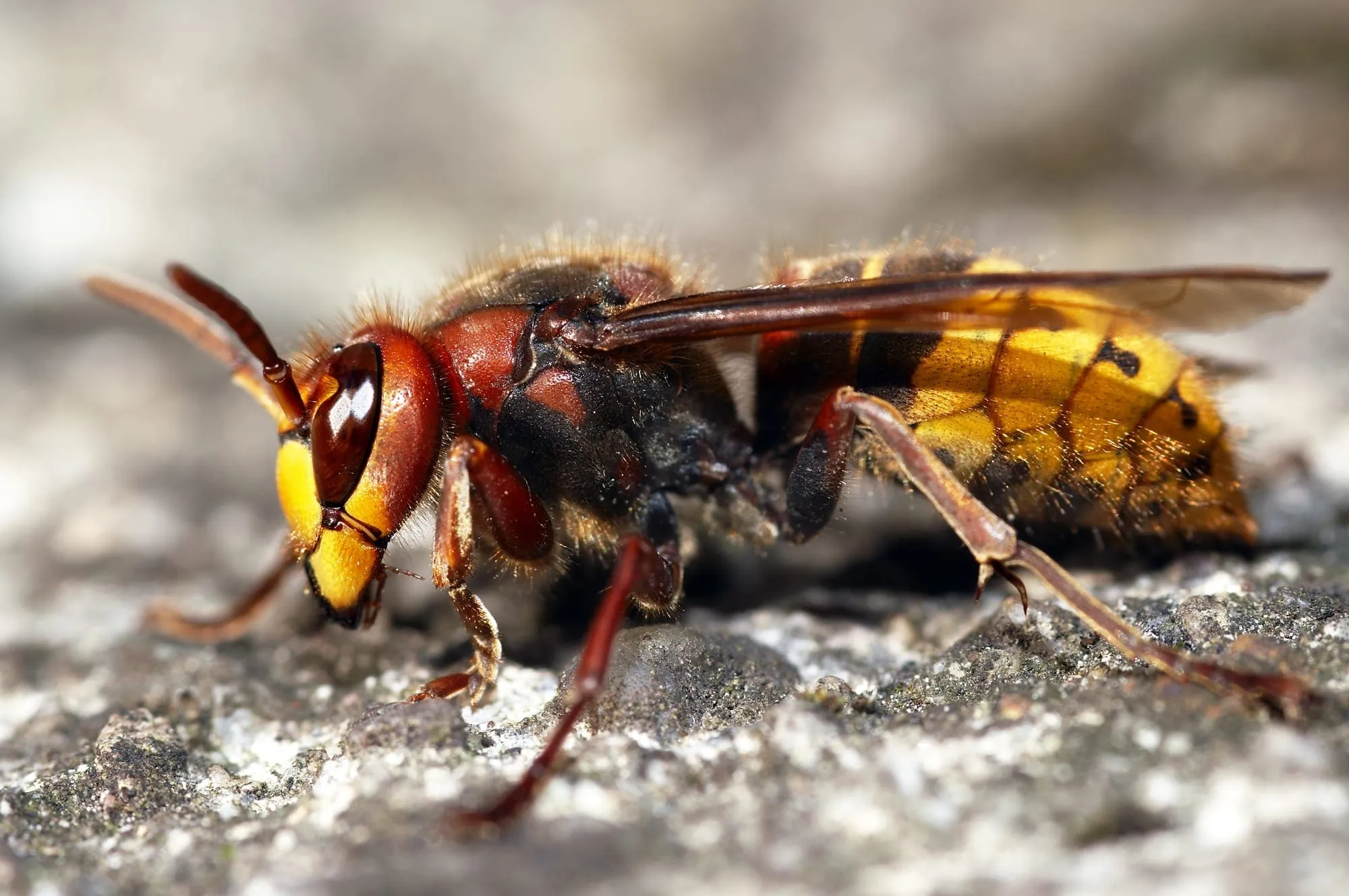
Wasps and hornets on the East End follow a predictable season. Learn when they appear, where they nest, and when safe removal by a pro makes sense.
Mice and rats on the East End leave clear clues. Learn the signs, where they hide, and when to call a professional for rodent control in the Hamptons.
Standing water on your property is the main place mosquitoes lay eggs on the East End. Here is how to find it, fix it, and when to call in pros for your yard.
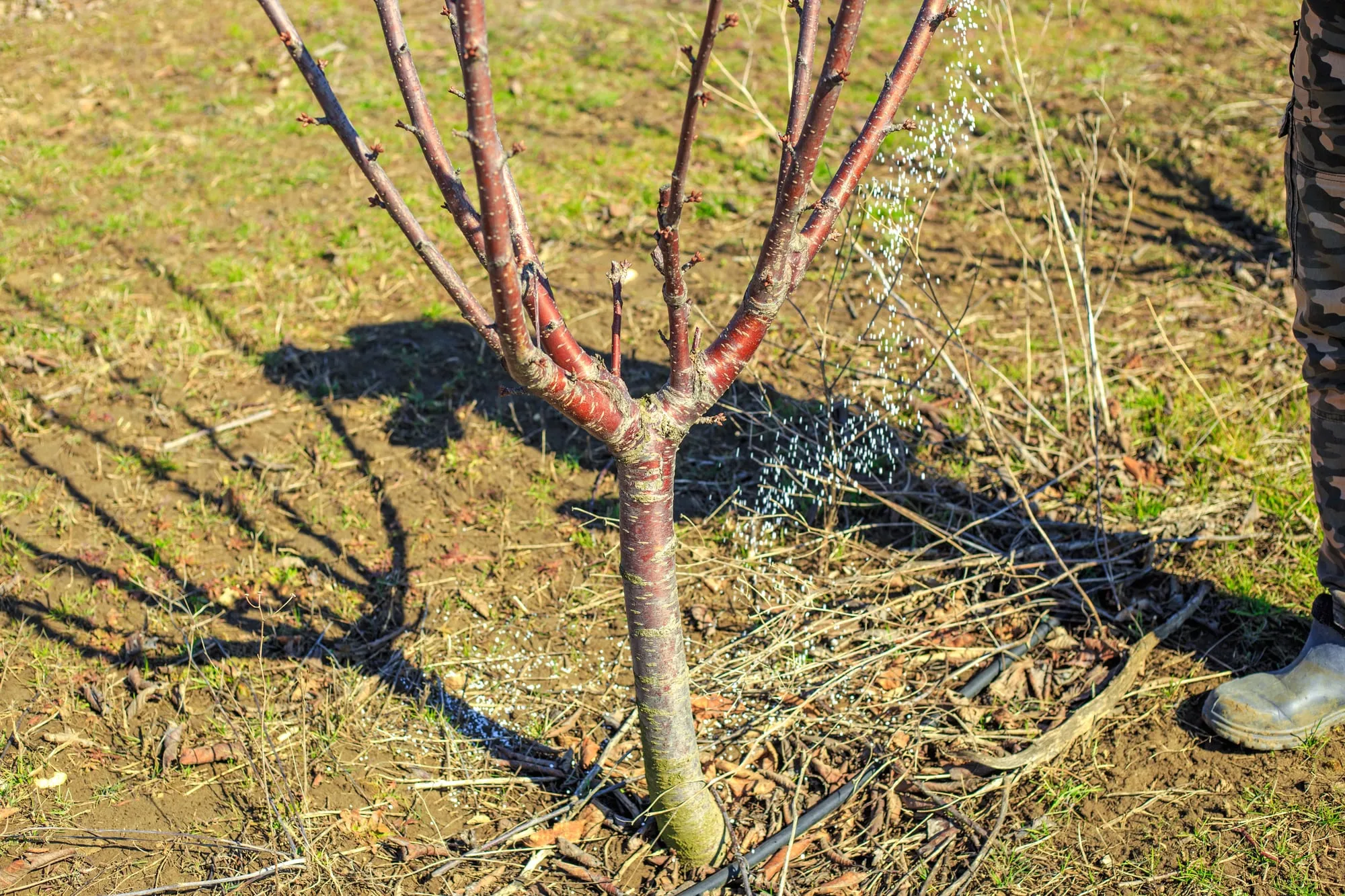
White-tailed deer browse heavily on Long Island plantings. Hampton Pest Management explains how repellent programs work, what products we use by season, and when barriers may be a better fit.
Itchy red bites on ankles and legs are often blamed on chiggers. On the East End, lone star tick larvae are the more likely cause. Here is how to tell the difference and protect your family.
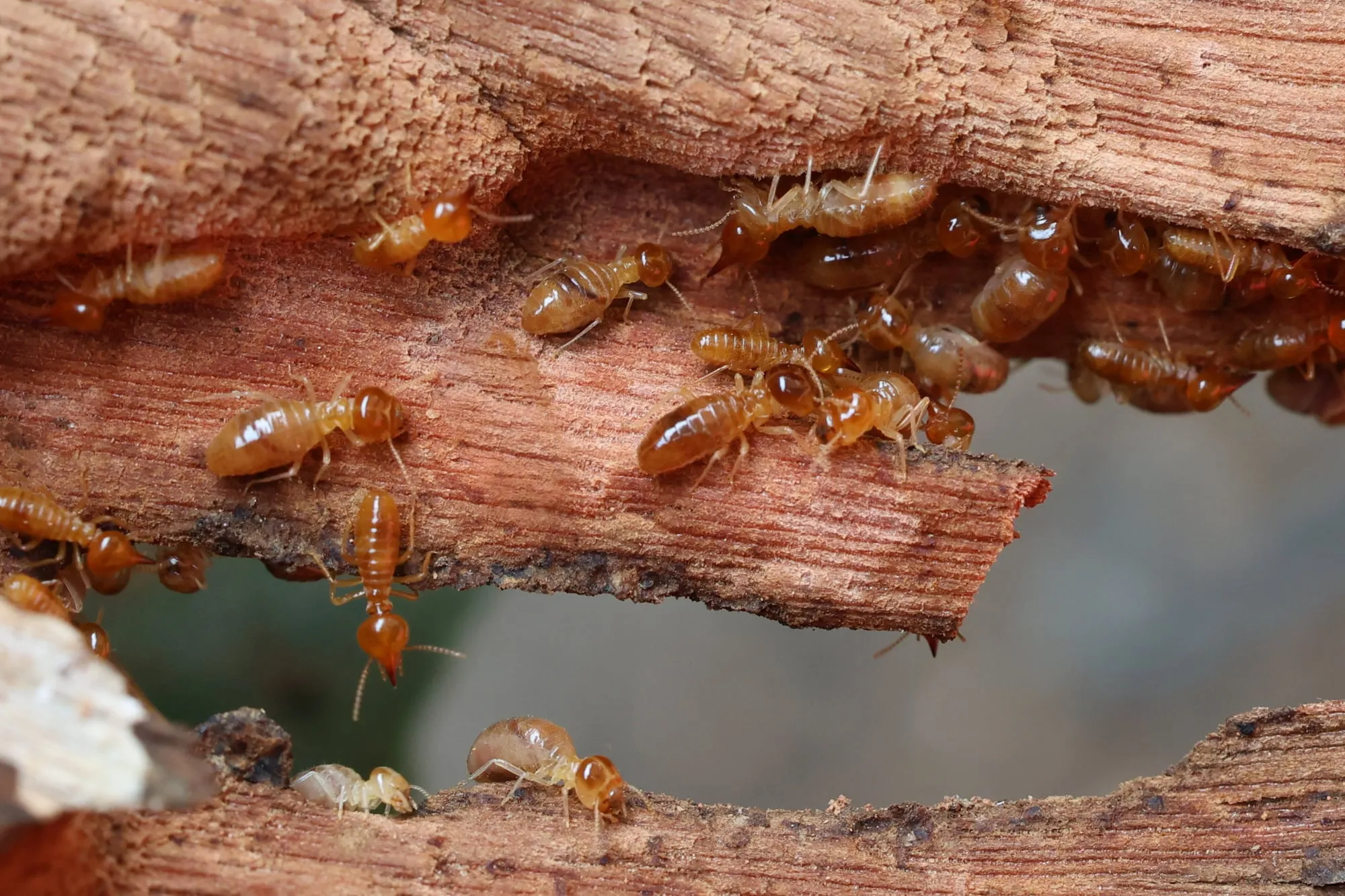
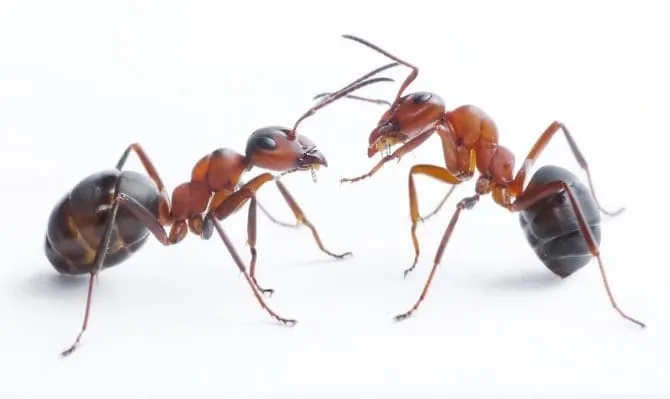
Warm spring days bring winged insects indoors and around windows. Learn three simple ways to tell flying ants from termites, and when a professional inspection makes sense.
Our expert team is here to help. Contact us for professional advice and solutions to your pest problems.