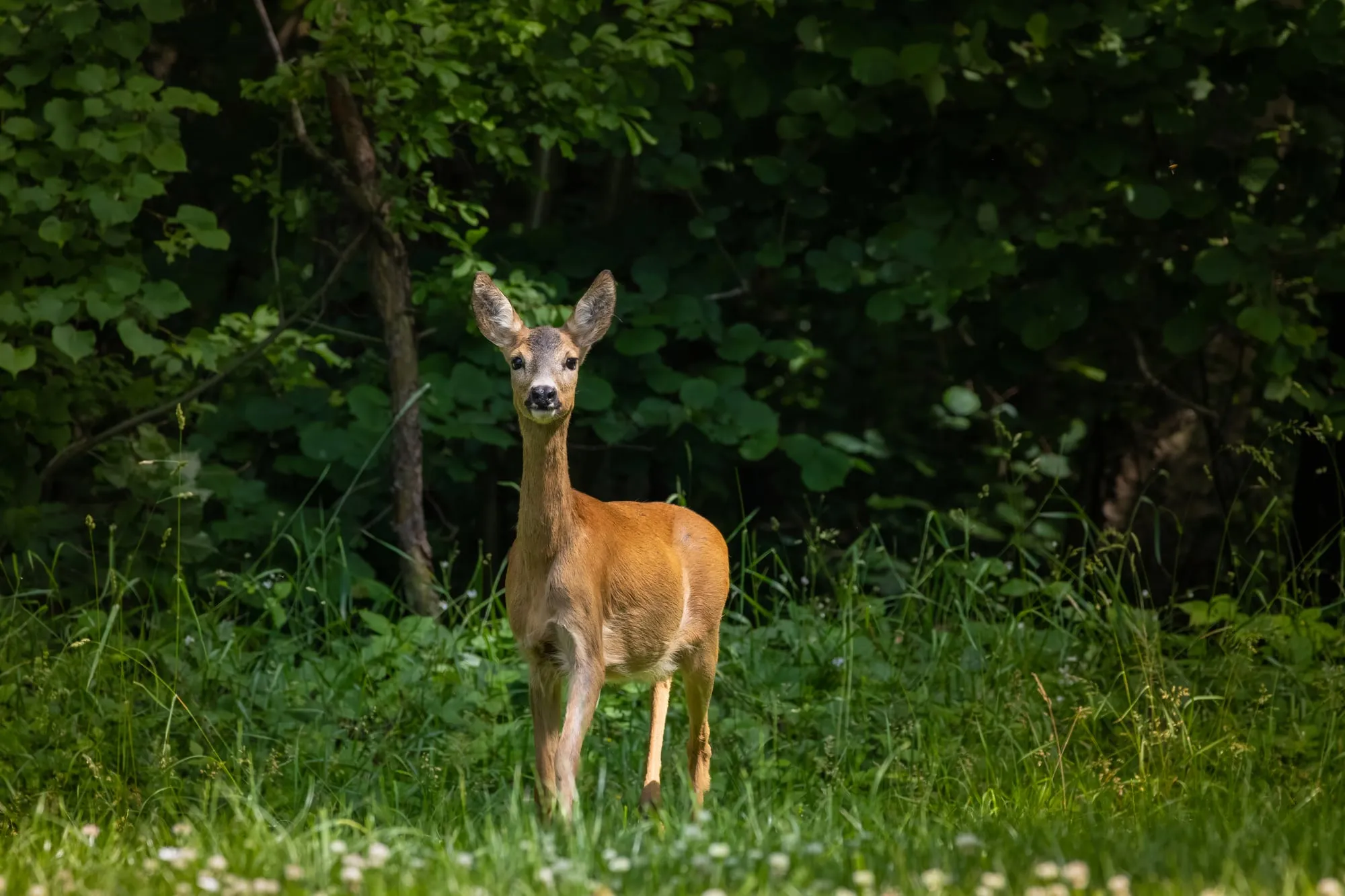
Deer on the East End do not browse every plant the same way. They hit the hosta bed by the pool path, the new yews at the gate, and the roses that face the wood line, while a tough stand of boxwood a few feet away barely gets a nibble. A yard-wide spray on a calendar ignores that map. A mapped plant program puts product where pressure is real and keeps unused beds from getting sprayed for no reason.
Hampton Pest Management offers deer repellent alongside tree and plant health care for South Fork and North Fork properties. This article is about building a simple browse map and a follow-up schedule, not about promising deer will never return to Long Island.
Start with the plants, not the whole acreage
Walk the property with a notebook or phone photos after the next feeding night. Mark the exact beds and plant types with fresh browse. Note height, whether damage is new growth or older wood, and whether the spot sits on a travel path between woods and water or lawn. Owners in Southampton and East Hampton often find the same three edges carry most of the damage while open center lawn stays untouched.
That list becomes the treatment map. It also separates deer browse from other plant stress. Irrigation failure, construction root damage, and disease can brown a shrub without a deer ever touching it. If the plant looks bad but the tips are not clipped, read our note on tree and plant health care after site changes before you add another repellent cycle.
Seasonal timing beats random spray days
Deer pressure moves with food, nesting cover, and how people use the property. Early season growth, late summer stress, and fall when natural forage shifts all change which beds get hit. A mapped program times applications to those windows on the plants that matter, then follows up when rain or irrigation washes product off leaf surfaces.
Water and soil notes belong beside the plant list. Overhead irrigation that hits treated foliage every morning shortens how long a product stays useful. Beds that stay soggy invite other plant problems that look like browse from ten feet away. Keep those as separate lines so the technician is not asked to fix drainage with a deer product.
Access and crew communication matter on estate lots
East End properties often have a house manager, a garden crew, and a pest company sharing the same beds. Tell everyone which plants are on the deer map and when the next application is due. Gate codes, dog schedules, and outdoor event dates should sit in the same message so a treatment is not washed off by a same-day irrigation cycle or blocked by a tent install.
If mosquitoes and ticks are also part of the summer plan, keep those programs labeled separately. Mosquito and tick control targets habitat and activity patterns that are not the same as deer browse lines. Mixing the stories on one vague “yard spray” request slows everyone down. The peak summer pest symptom quiz helps when you are still sorting which outdoor issue to handle first.
What deer repellent does not automatically fix
Repellent reduces feeding on treated plants when applied and maintained as directed. It does not rebuild a plant that already lost most of its canopy, replace a species deer prefer with a resistant one, or repair roots crushed by construction. Those are plant health or landscape decisions. Termite work, rodent work, and wasp nests are different again and belong on their own service lines through our services directory.
A clean closeout after each visit should name the beds treated, product timing notes, and the next planned window. Save it with the property so a seasonal owner or new manager can see the map without calling three people.
When to call Hampton Pest Management
Call when the same beds are browsed every season, when new high-value plantings need a program before guests arrive, or when you cannot tell browse from another plant problem. Use contact with photos of the damaged plants, a rough property sketch, and notes on irrigation and garden crew schedules. We serve the East End from Montauk through the North Fork, including Bridgehampton and Montauk lots where wood lines and dune edges create predictable travel paths.
For broader landscape-edge context earlier in the season, see deer pressure along landscape edges. The goal this time of year is a mapped plant list, not another guess across the whole yard.