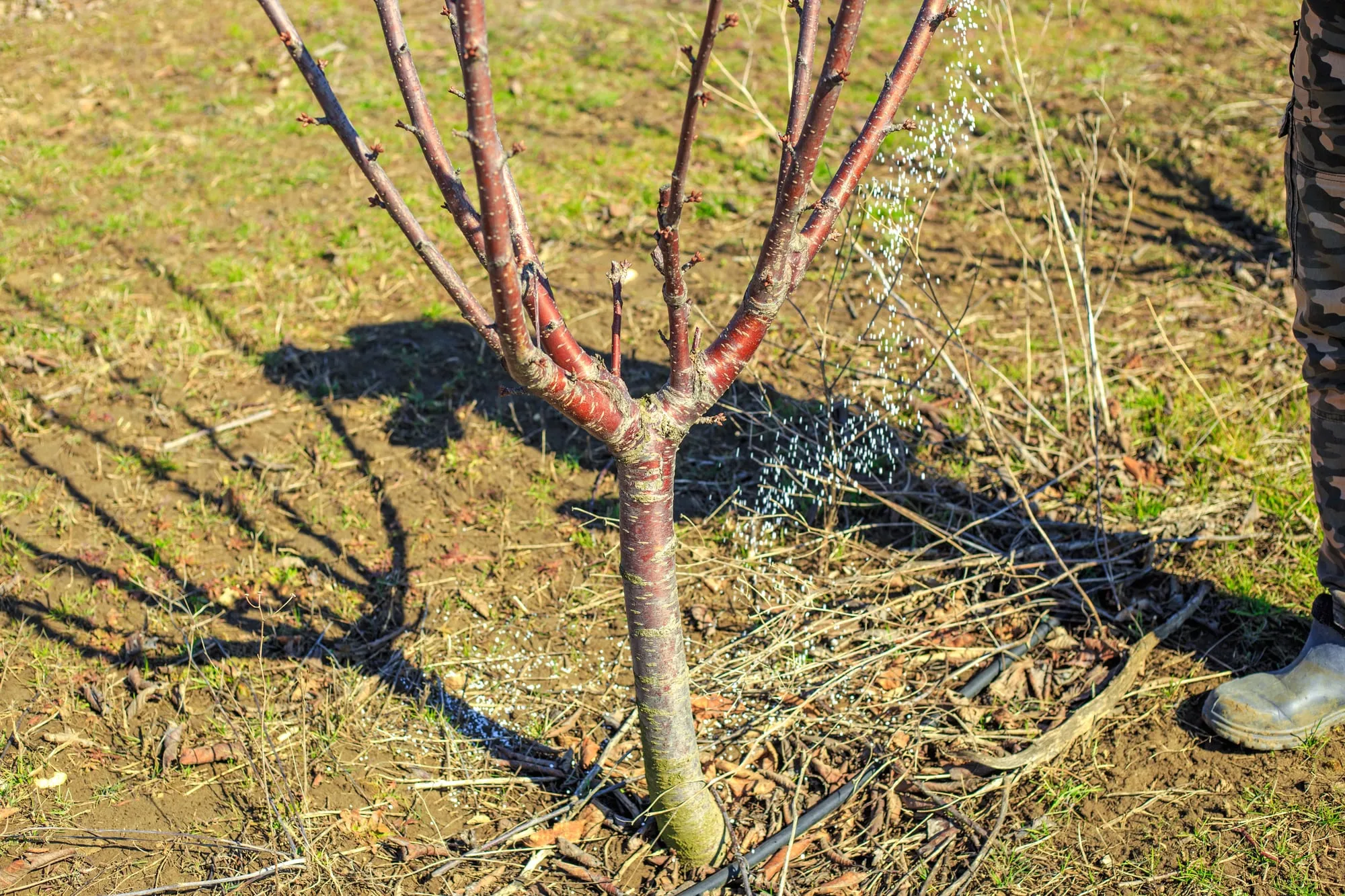
A new patio, pool edge, driveway apron, or addition can leave trees and shrubs looking fine for a few weeks and then fading hard. Leaves scorch, new growth stalls, and someone reaches for fertilizer or a deeper irrigation cycle. On many East End lots the damage started when soil was piled, compacted, or cut near roots during construction. Plant health care after a project should start with what changed around the roots, not with a product guess.
Hampton Pest Management provides tree and plant health care for South Fork and North Fork properties. This article is a field checklist for the weeks and months after construction, when the house looks finished but the landscape is still reacting.
Inventory what the project changed
Walk the drip lines of every tree and large shrub near the work. Note where grade went up or down, where equipment sat, where trenches ran, and where mulch or stone was added. Photograph trunks at soil level so you can see whether root flares are buried. Owners in East Hampton and Southampton often find the damage band matches the old access road or material staging pad more than the finished patio photo.
Write the construction end date on that note. Decline that starts one season later is still often a root story. A short timeline helps a technician separate acute injury from a long running pest or disease problem.
Check water and soil before you add treatments
Construction changes how water moves. Compacted soil sheds irrigation. Raised grade can smother roots that used to breathe. A head that used to hit a bed may now hit pavers. Run the irrigation in daylight and mark dry and soggy zones under the same canopy. That map belongs beside any plant health recommendation.
Do not start with a second fertilizer application because the leaves look pale. Pale leaves after root injury can mean the tree cannot use what is already in the soil. Deep root work, soil care, and honest watering limits often come before another bag of product. If deer are also stripping the same stressed plants, keep that as a separate program through deer repellent rather than blending browse and root injury into one vague yard call.
Separate plant health from pest calls
Boring insects, scale, and mites can show up on stressed plants, but the first question is still site change. A trunk treatment will not lift compacted fill off a root flare. Likewise, a wasp nest under a new eave is a pest job, not a plant health job. Use mosquito and tick control and other services when the evidence points to insects or wildlife rather than soil and grade.
If you are still sorting summer clues across the property, the peak summer pest symptom quiz points you to the right read. For deer on landscape edges, mapped deer repellent keeps browse work on its own map.
What to send before a plant health visit
Useful notes fit on one page:
- Construction type and approximate end date
- Wide photos of the tree or bed and close photos of the root flare
- Irrigation observations after a normal cycle
- Which plants declined first
- Gate and access notes for equipment if soil care is needed
Unknowns are fine. Mark them unknown. Guessing that “the builder said roots were fine” without photos does not help the next technician.
Keep scope honest on the work order
Plant health care after construction may include inspection, soil and root zone recommendations, and follow-up visits. It does not automatically include rebuilding irrigation, replacing dead plants, or hardscape repairs. Those should stay visible as separate items so the original plant care price remains clear. Properties from Bridgehampton to Montauk share that need for clean handoffs among builder, landscaper, and pest company.
Save the closeout with the property: findings, work completed, and the next review date. Seasonal owners especially need that file when the next spring looks weak and nobody remembers where the excavator sat.
Call Hampton Pest Management through contact or use the evaluation request on our site when a post-construction landscape starts to fade. Bring the root zone notes first. Product choices make more sense after the site story is on paper.