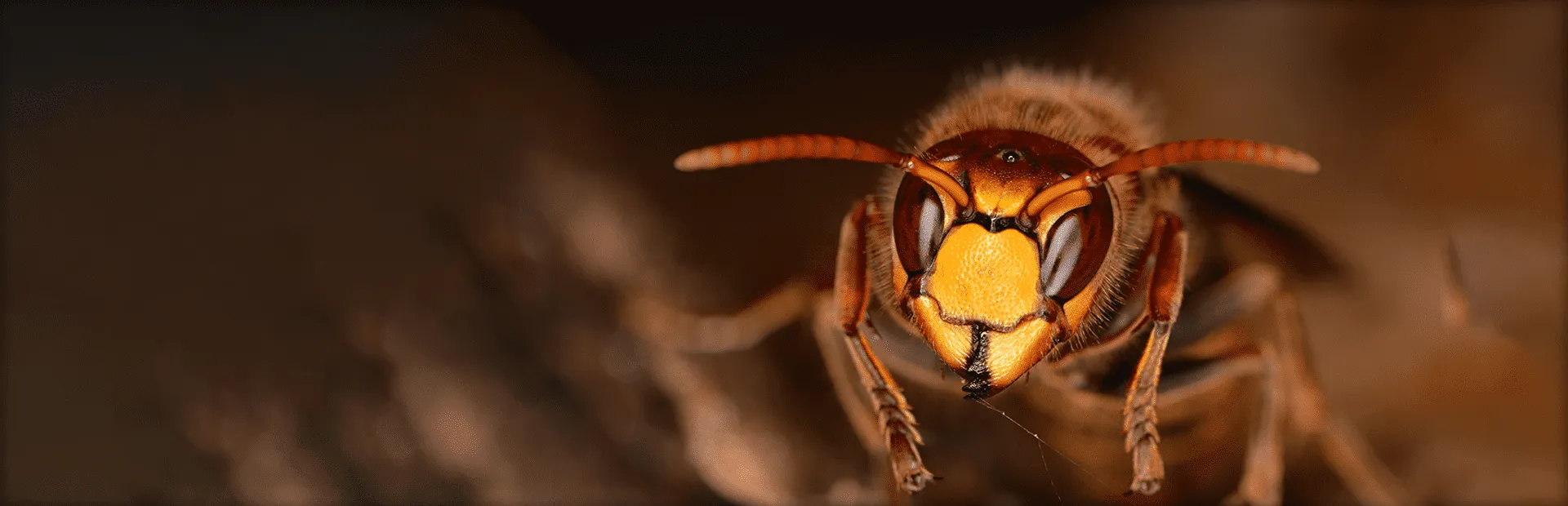
A single wasp or hornet buzzing around the patio is one thing. A nest under the eave or in the ground by the walkway is another. On the East End, wasps, hornets, and yellow jackets are part of summer and early fall. Knowing when they show up, where they like to nest, and when to call a professional for removal can keep your family and guests safe and your yard usable.
When stinging insects appear on Long Island
Activity follows warmth and food. In the Hamptons and across Suffolk County you can expect:
-
Late April into May: Queens that overwintered start building new nests. You may see single large wasps or hornets inspecting eaves, sheds, and tree branches.
-
June and July: Nests grow quickly. Worker numbers increase and nests become more obvious under decks, in bushes, or in ground holes.
-
August through September: Populations peak. Yellow jackets are especially active and aggressive around food and trash. This is when most close encounters and stings happen.
-
Fall: Colonies decline after the first hard frost. Nests are abandoned and are not reused the next year.
So if you see a nest in March or early April, it is almost certainly an old, empty one. New activity from live nests typically starts in late spring and is strongest in mid to late summer.
Where wasps and hornets build nests on your property
Different species prefer different spots. Knowing where to look helps you stay clear and decide when to get help.
Paper wasps often build under eaves, porch ceilings, and inside open sheds or garages. The nest looks like an upside-down umbrella with visible cells. They can sting when disturbed but are less aggressive than hornets or yellow jackets.
Bald-faced hornets build large, rounded paper nests, often high in trees, on buildings, or in thick shrubs. They defend the nest aggressively and can sting repeatedly. Do not approach or knock down the nest yourself.
Yellow jackets nest in the ground (old rodent burrows, gaps under steps, roots) or in wall voids and attics. They are attracted to sugary drinks and meat and are common around outdoor meals and garbage. They are very defensive of the nest and will swarm if they feel threatened.
Carpenter bees are different: they bore into wood to lay eggs. They leave round holes in siding, decks, and trim. Males may dive at people but cannot sting; females can sting but usually only when handled. If you have many holes or soft, damaged wood, a stinging insect and wood-boring pest approach may be needed.
Checking eaves, overhangs, sheds, and the ground around walkways and decks a few times in spring and summer helps you spot new nests early.
Why do-it-yourself nest removal is risky
Spraying or knocking down a nest yourself can lead to multiple stings and, for some people, a serious allergic reaction. Wasps and hornets release alarm signals that draw the whole colony to defend the nest. Even “empty” nests can have a few stragglers. Professionals use the right protective gear and methods to remove or treat the nest so the colony is eliminated and you do not have to get close.
If you are allergic to stings, or the nest is near a door, play area, or seating, do not try to remove it yourself. Call a wasp and stinging insect control service instead.
What you can do without touching the nest
You can reduce conflict without going near the nest:
-
Avoid the area. Give the nest a wide berth. Do not mow, trim, or work right next to it.
-
Keep food and trash covered. Yellow jackets are drawn to open drinks, fruit, and garbage. Use lidded cans and cover food and drinks when eating outside.
-
Do not swat. Swatting can make them more aggressive. Move away slowly if one is near you.
-
Seal openings. If you have had nests in wall voids or attics before, seal cracks and gaps in spring so new queens cannot get in to start a nest.
-
Wear neutral colors and avoid strong scents. Bright colors and perfume can attract some stinging insects.
These steps help you coexist when the nest is far from where you live and gather. When the nest is close to the house or high-traffic areas, removal is usually the safer option.
When to call a professional for wasp or hornet removal
Call a pro when:
- The nest is near a door, window, deck, or play area
- Someone in the household is allergic to stings
- The nest is large or in a hard-to-reach spot (high in a tree, inside a wall)
- You have had stings or close calls already
- You want the nest gone and do not want to risk doing it yourself
A wasp and stinging insect control service will inspect the property, identify the species, and remove or treat the nest safely. Many companies, including Hampton Pest Management, offer follow-up if needed so the problem is fully resolved.
After the nest is gone
Once the nest is removed or treated, the colony will not come back to that same nest. New nests are built by new queens each year. To reduce future nesting on your property:
-
Inspect in spring. Look under eaves, in sheds, and along rooflines for small new nests. A nest the size of a golf ball is much easier and safer to deal with than one the size of a basketball.
-
Fix gaps. Seal openings in siding, soffits, and attics so queens cannot get in to build.
-
Remove attractants. Keep garbage and recycling sealed and away from seating areas. Clean up fallen fruit and spilled drinks.
We serve communities across the South Fork and North Fork with stinging insect removal and prevention so you can enjoy your yard without worrying about nests near the house.
The bottom line
Wasps and hornets on the East End are most active from late spring through early fall, with the most problems in late summer. Nests show up under eaves, in trees, and in the ground. Stay away from nests, cover food and trash, and avoid swatting. For nests near the house or for anyone with sting allergies, professional wasp and hornet removal is the safe choice. A quick call to a local service can clear the nest and give you peace of mind for the rest of the season.