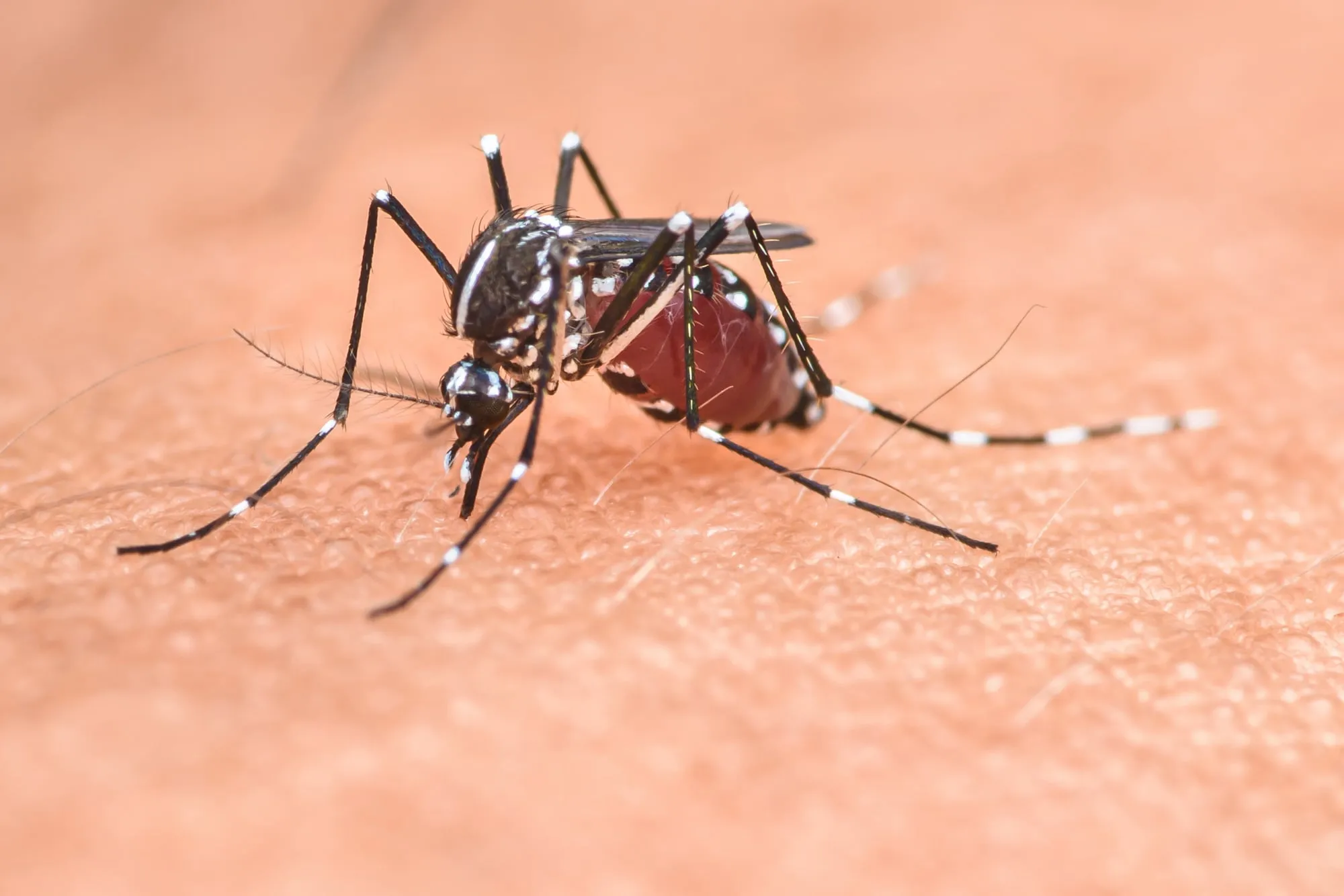
Traditional mosquito service is easy to picture. A technician arrives, treats selected areas around the property, provides instructions, and returns according to the scheduled program.
BioBelt works differently.
We describe BioBelt as a network of integrated traps positioned around the property. The traps use several attraction methods, including carbon dioxide, heat, visual cues, and other attractants, and they operate continuously rather than depending on one treatment visit to cover the time between appointments.
The first important decision is therefore not which areas should be sprayed. It is where the trap network should be installed.
The property layout determines the network
One trap placed beside the back door is not the same thing as a planned BioBelt installation. Multiple traps are positioned to create overlapping areas of operation based on the property’s layout.
The consultation should account for features such as the pool and pool terrace, outdoor kitchen, dining patio, children’s play area, fire pit, guesthouse, tennis or recreation space, wooded edge, pond or wetland, dense foundation planting, lawn routes used by people and pets, neighboring properties, service access, and areas where equipment should remain discreet.
A large estate with several outdoor-use zones may need a different layout from a compact village property with one patio and a narrow backyard. The total acreage matters. The way people use that acreage matters more.
Trap placement should follow outdoor life
Homeowners often think of mosquito pressure in terms of the entire yard. Most families use only selected sections regularly. A trap network should consider where people actually gather and how they move through the property.
Before the consultation, identify where outdoor meals happen, where guests arrive, which path connects the house and pool, where children play, where pets spend time, which area becomes uncomfortable first, which sections are rarely used, where landscaping may hide equipment, which areas need to remain visually clean, and where technicians can reach traps for service.
We specifically identify pools, patios, outdoor kitchens, play areas, waterfront properties, and larger estates among the applications for BioBelt. That makes the property-use map part of the installation plan. Confirm coverage under service areas.
The traps need to remain in place
BioBelt is not temporary event equipment that the homeowner moves before every party. The system is intended to operate continuously throughout mosquito season. The traps are professionally monitored and require relatively little homeowner intervention.
Once the network is installed, do not move traps without speaking with us. Do not block them with furniture or storage. Tell us before major landscape work. Report damage from mowing, irrigation, storms, or construction. Keep service access available. Mention any new outdoor-use area. Tell the technician when a section of the property changes substantially.
A trap selected for one location may depend on how it overlaps with the rest of the system. Moving it because it interferes with a party layout can change more than that one spot.
Landscaping changes should trigger a placement review
East End properties rarely stay exactly the same. A homeowner may add a new hedge, pool house, expanded terrace, fence, outdoor kitchen, large planting bed, meadow, guest cottage, new tree group, drainage feature, playground, or construction staging area.
Those changes can alter airflow, shade, access, and the places where people spend time. They can also hide, block, or expose an existing trap. Tell us about the project before the work begins where practical. The BioBelt plan may need temporary protection during construction or permanent repositioning after the new landscape is finished.
BioBelt and ordinary property maintenance still have to work together
A trap network does not remove the need for ordinary water and property management. Homeowners should still inspect for containers holding water, clogged drains, pool covers collecting rain, irrigation leaks, birdbaths, children’s toys, buckets, plant saucers, gutters, tarps, construction materials, and neglected water features.
We describe BioBelt as especially useful on properties where some breeding conditions cannot be eliminated, including waterfront and wetland-adjacent sites. That does not mean removable standing water should be ignored. The trap system and normal property maintenance address different parts of the problem.
The homeowner should know who owns each task
BioBelt may involve several people on a large property: homeowner, house manager, landscape contractor, pool company, irrigation company, property caretaker, our technician, event team, and builder or renovation contractor.
Give the property team a simple instruction: do not move or disconnect BioBelt equipment without contacting Hampton Pest Management. Include trap locations on the property-service map when possible. That avoids a gardener moving equipment to install a hedge or an event crew hiding a trap behind temporary storage. Use the contact page when access or landscape work needs to be coordinated ahead of a visit.
BioBelt is separate from the combined tick and mosquito program
We also offer a recurring tick and mosquito treatment program. BioBelt appears as a separate service and uses a different operating approach.
A property may be considering the combined treatment program, BioBelt, another pest service, or a combination recommended after evaluation. Ask us to explain which pests each program addresses, whether tick service remains separate, whether spraying is part of the proposed plan, how often technicians visit, what equipment remains onsite, which areas are covered, what monitoring occurs, how landscape changes are handled, what the homeowner should report, and how the programs work together when more than one is used.
The service names should not be treated as interchangeable. A broader menu sits under services and our services overview.
The consultation should produce a property plan
A useful BioBelt proposal should identify the project in terms the homeowner and property manager can understand. Ask for clarity around the number of traps, approximate locations, areas the design is intended to serve, installation needs, ongoing service, monitoring, seasonal startup and shutdown where applicable, homeowner responsibilities, landscape coordination, damage or relocation process, price, term of service, equipment ownership, and cancellation or removal process.
BioBelt should not be purchased as a mystery collection of devices. It should be presented as a planned property system. Related reading stays in the blog, and product information is listed under pesticide fact sheets.
We serve the Hamptons and the East End through offices in Quogue, East Hampton, and Mattituck. Call (631) 728-1708 when you want mosquito control planned as an installation rather than another spray appointment.