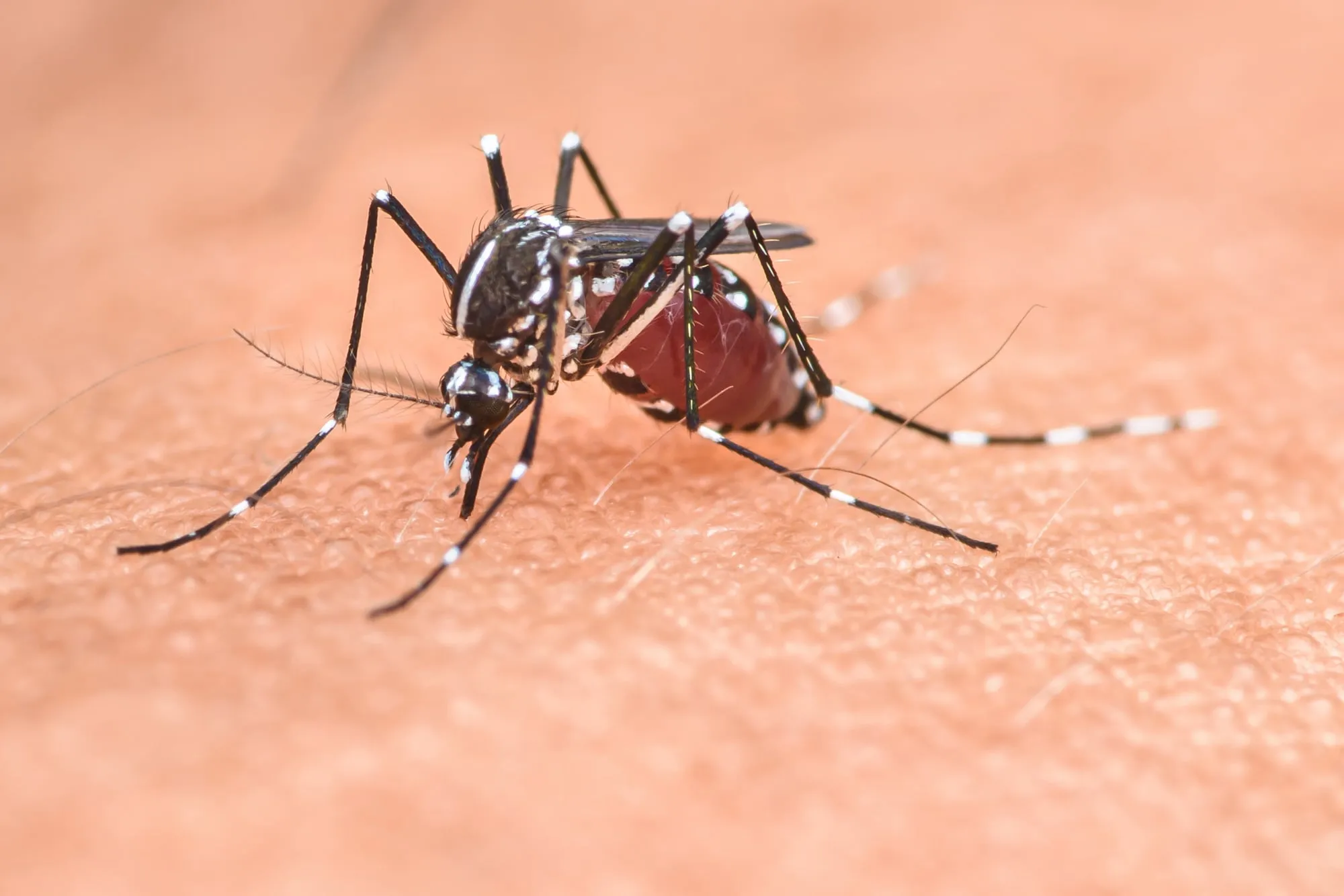
You flip the deck lights on and the first guest laughs about a bite before appetizers are even plated. April is not peak summer on Long Island, yet mosquitoes do not wait for July when puddles sit warm for a week and ivy shades drip trays under pots. East End homes that host early fundraisers, school breaks, and opening weekends feel that truth before the pool heater is even on.
This article pairs with our spring guide to tick and mosquito control and focuses on the social moment when dusk meets your deck.
Why dusk feels sudden
Daytime breezes hide weak fliers. As air calms, mosquitoes move from resting spots in shady ground cover toward carbon dioxide and light near people. Decks add extra cues: warmth from railings, perfume, and damp towels draped over chairs. You are not imagining a sharp shift at 7 p.m.
If your yard backs to phragmites or a slow ditch, expect stronger pulses on still nights even when your own gutters are clean. Lots in Water Mill and Wainscott often carry windbreak plantings that hold damp leaf litter tight against foundations, which changes where adults rest before they fly toward your lights.
Water checks that respect a busy calendar
You do not need a perfect estate to make progress. Start with items that hold rain for days: saucers, wheelbarrows, tarps, and clogged downspout shoes. Then look at irrigation splash on pavement that never fully dries because a bed blocks sun. Our standing water article lists the usual spots. April adds pollen plugs in gutter corners people forget because they are still thinking about winter.
Boat covers and stacked kayaks deserve a peek too. A cupped line along a folded edge is enough. The same walk supports everything we do on tick and mosquito control because breeding sites and resting habitat often share the same edges.
How professional treatment timing works
Most Hamptons properties benefit from a monthly rhythm from April through November for ticks and mosquitoes together when both pests share the same edges. Our tick and mosquito program focuses on resting sites adults actually use, not only a wide broadcast across lawn center where few insects sit.
We still ask you to keep children and pets off treated areas until everything is dry, as the label requires. If you have a koi pond or beekeeper neighbor, say so early when you use contact so we can plan buffers you trust.
When BioBelt is the right conversation
If your primary pain is biting adults near the porch and you want a dedicated mosquito approach, ask about BioBelt mosquito control. Many lots still need tick thought near woodland, so we will be honest if a combined plan protects your kids and dogs better than a narrow fix.
Guests, dogs, and the same calendar as ticks
Deck time and lawn time often share a weekend. If dogs come in with ticks after short grass play while mosquitoes found ankles at dusk, one coordinated plan is easier than two separate fixes. The Memorial guest week tick checklist walks edge habitat before the lawn fills in.
For species context on local biting pests, chiggers versus lone star ticks answers common mix-ups without replacing a yard walk.
A pre-party rhythm hosts can repeat
Empty obvious containers forty eight hours before guests arrive when possible. Place fans on the deck edge. Air movement helps more than citronella myths. Talk to us about a treatment window that ends dry before your first seating.
When to call before the party
Call if you are getting bites midday in shade, if larvae show in a fountain you thought was sealed, or if a new French drain turned a corner into a marsh. Those are reasonable triggers for a visit sooner than the next generic holiday.
April decks prove that mosquito season is a calendar story, not a thermometer dare. Owners who schedule tick and mosquito control in April often notice the biggest change at dusk first. The May yard edge mosquito and tick priority quiz helps when you are unsure whether dusk bites or wood line ticks deserve the first hour of attention.
Use contact when you want timing aligned with your first big outdoor meal.