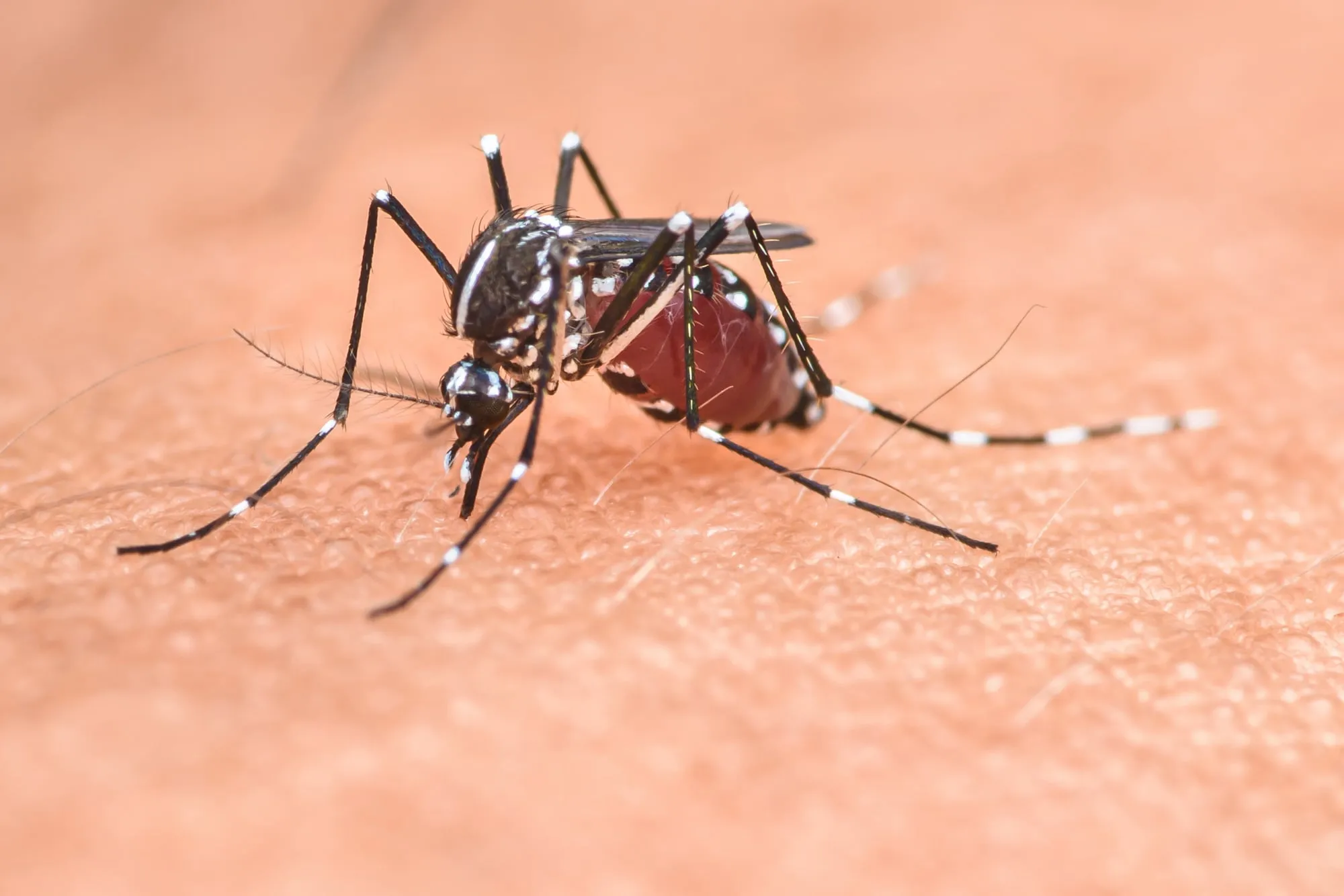
Memorial Day to Labor Day is when your yard earns its keep on the East End. Dinners move outside, kids live in the sprinkler zone, and guests treat the deck like a second living room. The same stretch is when mosquitoes, ticks, deer, and wasps all ask for attention at once, sometimes on the same property.
This guide is not a repeat of our spring tick and mosquito piece. That article focuses on late winter and early spring planning. Here we stay in May through August, when habits and hosting calendars change, and when many South Fork and North Fork homeowners want a rhythm they can actually keep.
May: turn opening weekend energy into a steady baseline
May is the handoff from “we just opened” to “we live out here every evening.” Water still matters. Our standing water and mosquitoes article lists the usual containers and low spots that refill after spring rain. Walking those spots once a week takes less time than dealing with a yard that feels uncomfortable at dusk.
Ticks do not pause for your calendar. Tall grass and leaf litter at the lawn edge still function as travel lanes. If you have not read chiggers and lone star ticks for local context, May is a useful month to do it, especially if your lot touches woods or meadow.
On the service side, tick and mosquito control is structured the way we describe across the site: inspection, guidance on breeding and habitat, and recurring exterior treatments. Many East End homes move best on at least once a month service from April through November. May is when you feel why that window exists, because outdoor nights are finally consistent.
If mosquitoes are the headline and you want a dedicated approach, ask about BioBelt mosquito control alongside the cultural steps you already take.
June: gatherings, deer pressure, and the first wasp conversations
June adds volume. More foot traffic on grass means more chances for ticks to hitch a ride. More outdoor meals mean more light and scent cues that insects notice. Deer browse often shows up on fresh growth and hedges just when those plantings look their best.
For deer, deer repellent strategies explains how we think about timing. Deer repellent programs pair well with tree and plant health care when the landscape is both eaten and stressed. If leaves look spotted or thin beyond deer damage, organic tree fertilization and Air Spade root revitalization may enter the conversation after we see the site.
Wasps and hornets become a common phone topic in June because nests grow fast and traffic near doors picks up. Wasps and hornets walks through when professional help makes sense, and wasps and stinging insects is the service home for that work. If the issue is more about webs and quiet corners, spider and insect control may fit better.
July: keep water discipline when irrigation runs
July heat on Long Island pushes irrigation and pool decks. Both can create or hide small water pockets: saucers, tarps, clogged deck drains, and forgotten buckets. The standing water notes from early in this guide still apply, but July rewards a quicker weekly scan because evaporation can mask where water lingered overnight.
Ticks remain a yard edge story. If pets have favorite paths through tall grass, keep those routes trimmed and note them for our technicians when we treat. Combined tick and mosquito plans stay useful here because the same outdoor living that draws your family also draws biting pests through midsummer.
Deer pressure can spike again when new growth emerges after trimming. If you already run deer repellent, July is a month to stay consistent rather than pause because “it looks fine for now.”
August: late summer maintenance and realistic expectations
August is still full outdoor season. It is also when many homeowners want a reset before school schedules and fall travel. Use August to walk the property with a simple list:
- Gutters and downspouts that may have filled after summer storms
- Brush piles that grew during June trimming
- Sheds and garages where boxes sat all summer, especially if spiders or rodents were a side story
- Entry points where ants might trail in after dry weeks, which ties to ant control if indoor lines appear
Warm spells can still nudge insect activity. Early spring warm spells is framed for spring, but the idea is the same: weather moves pest timelines, and static calendars miss the year you actually have.
Pair this rhythm with a service map
If you want a single pass through “what do we even offer,” read services overview next. If you prefer a question flow, run the property service quiz or the opening weekend quiz when reopening is part of your summer story.
Our service areas hub links every town page if you want to confirm coverage before you write in.
Plain language bottom line
May through August on the East End is the core outdoor season. Mosquitoes and ticks love the same yards you love. Deer and wasps join the scene right when plantings and gatherings matter most. Hampton Pest Management ties those threads to tick and mosquito control, deer repellent, tree and plant health care, and wasps and stinging insects in the combinations real lots need. Contact us when you want a property evaluation timed to the weeks you actually use the place.