A few days near sixty degrees in late March or early April can feel harmless. On the South Fork and North Fork, those warm spells often do more than melt snow. They nudge pests out of dormancy or push them toward food and mates sooner than many homeowners expect. You do not need to panic over every sunny afternoon, but knowing what tends to move first helps you spot issues before they spread.
Ants on counters and foundations
When soil and wall voids warm up, foraging ants resume trailing. Kitchens, pantries, and pet food areas are common first sightings. Some species send winged reproductives on warm, humid days; those insects are easy to confuse with termites. If you are unsure what you are seeing, our post on flying ants vs. termites explains the main differences. Persistent indoor trails or recurring swarms are a sign to have the structure and entry points assessed through ant control rather than relying on spray alone.
Ticks before you think it is tick season
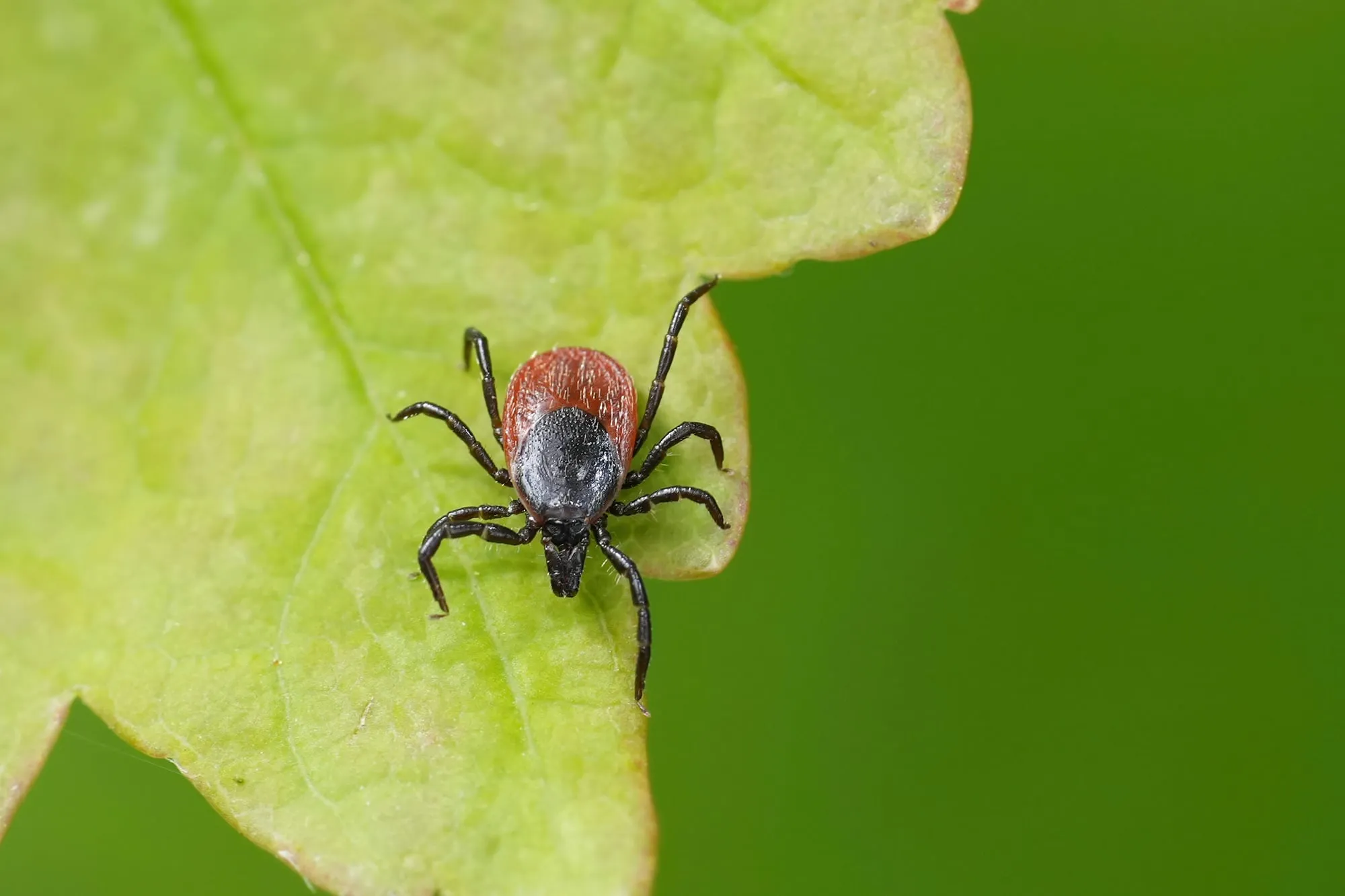
Adult blacklegged ticks can be active whenever temperatures are mild enough for them to move. Edge habitat, where lawn meets woods, stone walls, or brush, is where people and pets often pick them up first. Raking leaf litter back from play areas, keeping grass trimmed, and doing tick checks after yard work still matter in early spring. If your lot backs up to woods or you spend a lot of time outside, planning tick and mosquito control before peak activity lines up with how we time programs from April through November on Long Island.
Rodents still looking for easy entries
Mice and rats do not disappear when winter ends. Spring can expose gaps along foundations, garage door seals, and utility penetrations that were less obvious under snow. Signs like droppings, rub marks, and nighttime noise deserve attention before nesting picks up. Rodent control focuses on how rodents are using the building, not only on placing bait, so repairs and monitoring match what we find.
Stinging insects and overwintering queens
Wasps and hornets are not yet at summer peak, but queens that overwintered in eaves, attics, or wall voids may become active on warm walls. A single queen exploring a sunny sill is different from a steady stream of workers. If paper nests start small under decks or in shrubs, early intervention is easier than waiting until late summer. See wasps and stinging insects when activity is recurring or near doorways and play space.
Landscape pests waking with new growth
Buds and tender growth attract aphids, scale, and early season chewers as soon as plants break dormancy. Deer pressure also returns with green shoots; if hedges and new growth are part of your spring checklist, deer repellent programs and tree and plant health care align with the integrated approach we use for ornamentals.
What to walk this week
You do not need a formal inspection to start. On the next mild afternoon, circle the property once:
- Tip or drain standing water in saucers, tarps, and toys (mosquitoes later in the season)
- Check lawn edges and stone walls for tick habitat
- Look for ant trails at the foundation and around door frames
- Scan the garage and basement for rodent droppings or gnaw marks
When something repeats or spreads week after week, a professional plan saves time compared to chasing single sightings all summer.
The bottom line
Early spring warm spells on the East End are a preview of the season, not a false alarm. Walk the property for standing water, tick habitat at the lawn edge, ant trails at the foundation, and rodent access along the basement or garage. When something repeats or spreads, a professional plan, whether tick and mosquito control, ant control, rodent control, or plant health, saves time compared to chasing single sightings all summer.
We serve communities across the South Fork and North Fork. Contact us for a property evaluation if you want a clear read on what your home and yard are showing this spring.