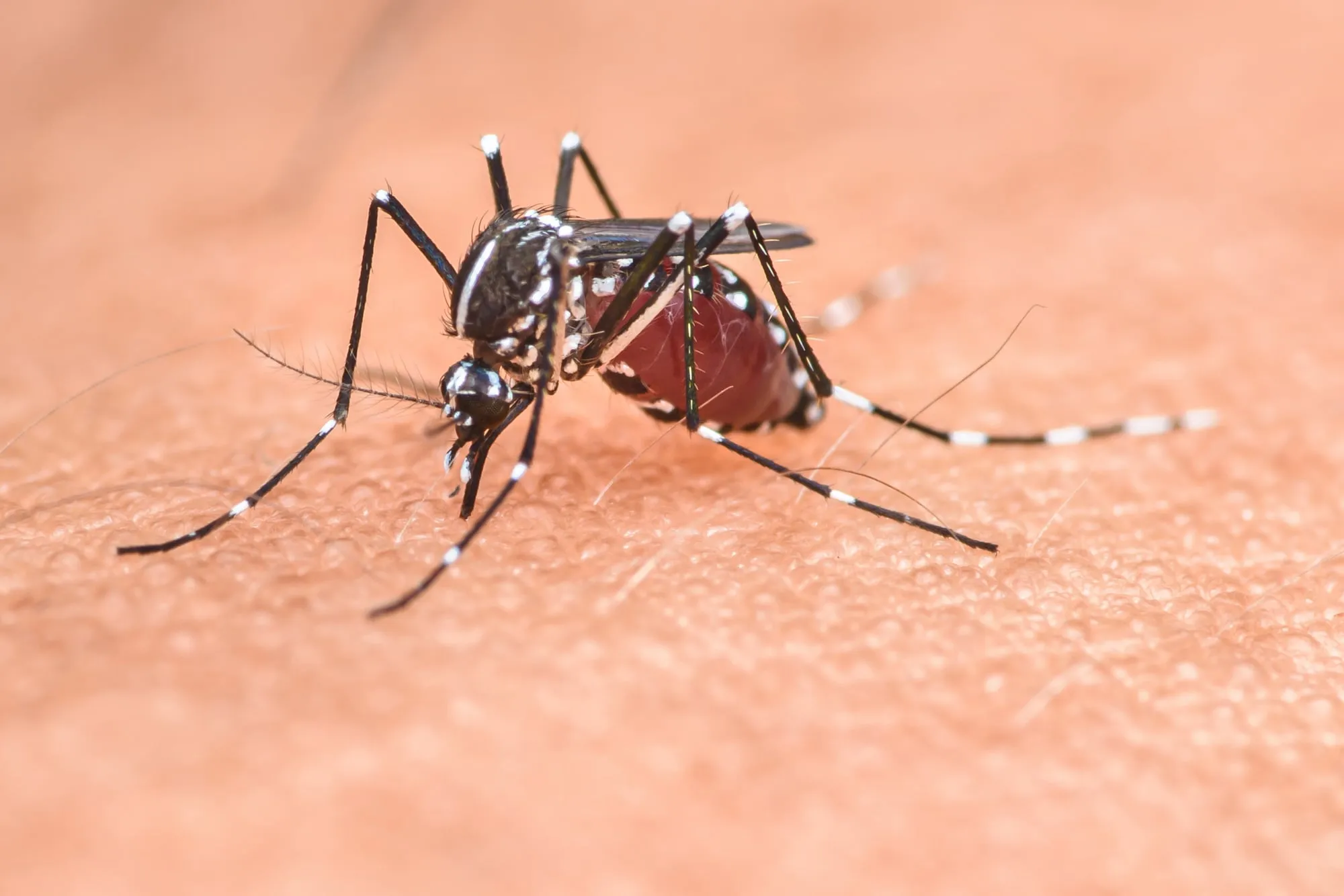
If you have even a small amount of water sitting for more than a few days on your East End property, mosquitoes are likely using it to breed. That goes for everything from a forgotten bucket in Sag Harbor to a low spot in the lawn in Quogue. Once you know where water collects and how to handle it, you can cut down the number of mosquitoes around your home without a lot of extra work.
Where Mosquitoes Lay Eggs on Your Property
Female mosquitoes look for still water to lay their eggs. They do not need a pond. They will use:
- Plant saucers and trays under potted plants on decks and patios
- Clogged gutters that hold water after rain
- Bird baths that are not refreshed every few days
- Kids’ toys and wheelbarrows left outside
- Tarps and covers that pool water in folds or dips
- Low spots in the lawn or next to driveways where puddles form
- Ornamental features such as fountains or urns that are not running or drained
- Old tires, cans, or containers in the yard or behind the shed
On the South Fork and North Fork, wet springs and summer rain make these spots common. A quick walk around the yard once a week to tip, empty, or fix these areas makes a real difference.
Simple Steps to Remove Standing Water
You do not need special equipment. A few habits are enough:
-
Empty anything that holds water. Dump saucers, buckets, toys, and any container. Do it at least once a week, especially after rain.
-
Store items so they cannot fill. Keep toys, pots, and tools upside down or under cover so they do not collect water.
-
Keep gutters clear. Clogged gutters are one of the most overlooked spots. Have them cleaned so water flows off the roof instead of sitting in the channel.
-
Refresh bird baths. Change the water every two or three days. If you skip a week, mosquitoes can complete their cycle there.
-
Fix low spots. Fill or grade areas that stay wet for days. Improving how water runs off the property reduces puddles and breeding sites.
-
Check after every storm. Heavy rain creates new puddles in planters, covers, and yard furniture. A quick check and dump keeps mosquitoes from getting a head start.
When Mosquitoes Show Up on Long Island
On the East End, mosquito activity usually picks up in April and stays high through November. Warm, wet weather speeds up their cycle; in hot summer weather, a new generation can appear in about a week. That is why removing standing water and keeping it gone matters all season, not just once in the spring.
What You Can Do Beyond Standing Water
Stopping breeding on your property is the biggest lever. You can also:
-
Mow and trim regularly. Thick grass and overgrown beds hold moisture and give adults places to rest. Keeping the yard tidy reduces those spots.
-
Use fans on patios and decks. Moving air makes it harder for mosquitoes to land and bite when you are outside.
-
Wear long sleeves and pants at dawn and dusk when mosquitoes are most active, and use an effective repellent on exposed skin.
-
Consider a professional program. If you have a lot of property, wet areas you cannot drain, or nearby wetlands, a tick and mosquito control program that treats the yard and perimeter can greatly reduce the number of biting adults. Many homeowners on the South Fork and North Fork use monthly treatments from April through November so they can enjoy the yard without constant biting.
When It Makes Sense to Call a Pro
Do the standing water fixes first. If you still have heavy mosquito pressure, or you have:
- Ponds, wetlands, or low areas that cannot be drained
- A large lot with many planting beds and hiding spots
- Family members who are very sensitive to bites or at higher risk from tick- and mosquito-borne illness
then a professional mosquito and tick program is a good next step. We serve East Hampton, Hampton Bays, Southold, and across the South Fork and North Fork with inspections and treatments tailored to your property.
The Bottom Line
Mosquitoes on the East End need standing water to breed. Find it, remove it, and keep it from coming back. That single change will reduce the number of mosquitoes in your Hamptons yard. For extra relief, keep the yard maintained and, if needed, add a professional mosquito and tick control program so you can enjoy your property all season.