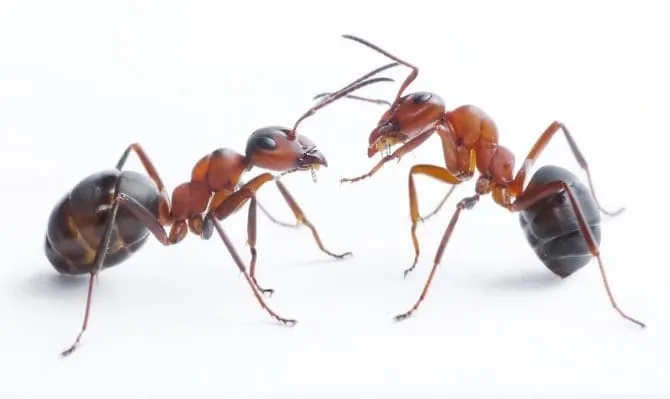
Warm days on the East End run two pest clocks at once. Ants follow food and moisture along foundations, outdoor kitchens, and slider tracks. Ticks wait on grass tips where lawn meets brush, stone walls, and unmowed fence strips. Both pick up when humidity rises and outdoor traffic returns, but they need different responses.
Hampton Pest Management works across Suffolk County in Southampton, East Hampton, and Montauk. Telling ant and tick signs apart saves you from treating every warm afternoon like one emergency.
What you notice first, and when
Ant scouts often show up at dusk near grease trays, recycling bins, and damp sills after a humid day. Ticks rarely announce themselves indoors on the first visit. You find them on socks, dog fur, or a pant cuff after someone cut across the lawn edge to reach the pool.
Compare what you see at the time the problem actually appears, not only at noon when the yard looks fine from the kitchen. Walk the foundation line once at dusk with a phone flashlight. Take dated photos of the worst corner in morning light and again when you eat outside.
See ant control and tick and mosquito control when symptoms overlap on one calendar.
Ant trails: moisture, food, and entry points
Ant trails on coastal properties often start outside and move inward through gaps you never noticed in winter. Sweet residue on recycling lids, drip lines under outdoor sinks, and mulch piled against siding train foraging lines toward the house.
Pull mulch back six inches from siding. Empty plant saucers after rain. Wipe outdoor kitchen grease trays before sitters run the grill. Store pet food in sealed bins in the garage.
Crawl space humidity pushes ants and spiders toward thresholds while you notice scouts at the door. If you see frass on sills rather than live ants, read carpenter ant frass at window sills before you assume every pile is ant traffic.
Tick edges: where lawn meets everything else
Ticks use the transition from mowed grass to taller vegetation, wood lines, and hedge backs. Dogs that run the same shortcut every morning compress a worn lane that holds moisture and shade.
Keep grass short along paths guests use daily. Mow fence strips and gate approaches before guest weeks. Read late season tick habitat along fence lines when daily dog loops and deck time share one calendar.
The spring guide to tick and mosquito control explains season-long program timing. Memorial guest week tick checklist fits when play equipment arrives before mowing catches up.
Water, guests, and sorting symptoms
Standing water breeds mosquitoes on a separate clock from ants and ticks, yet the same irrigation mistakes feed all three. Explore standing water and mosquitoes when saucers and gutter corners hold water more than a few days.
Alternate dog routes for one week before a gathering sometimes helps more than an extra irrigation minute. Paper wasps start small nests under eaves where guests eat every weekend. Wasps and hornets when to call covers when stinging insects deserve the first call.
Do not label every weak flier a mosquito. Do not assume every black speck on a sill is ant frass. When several symptoms compete, browse the seacoast pest priority quiz.
Travel weeks and when to call
Before travel, photograph dry spots and note mowing height for whoever watches the house. After you return, wait one dry day before you diagnose permanent lawn damage. Leave sitters a one-page list with gate access, pet location, and saucer tips after rain.
Call when the same ant symptom returns after you removed obvious food and moisture sources. Call when pets carry ticks indoors nightly or when wasp nests block daily paths before the next guest block.
Reach out through contact with photos and notes from a full walk so visits do not land the same day you need the yard clear for guests. Mention cookout or travel dates when you call.
Hampton Pest Management helps homeowners across the East End with ant control and tick and mosquito control built for real traffic patterns, not a generic suburban template.