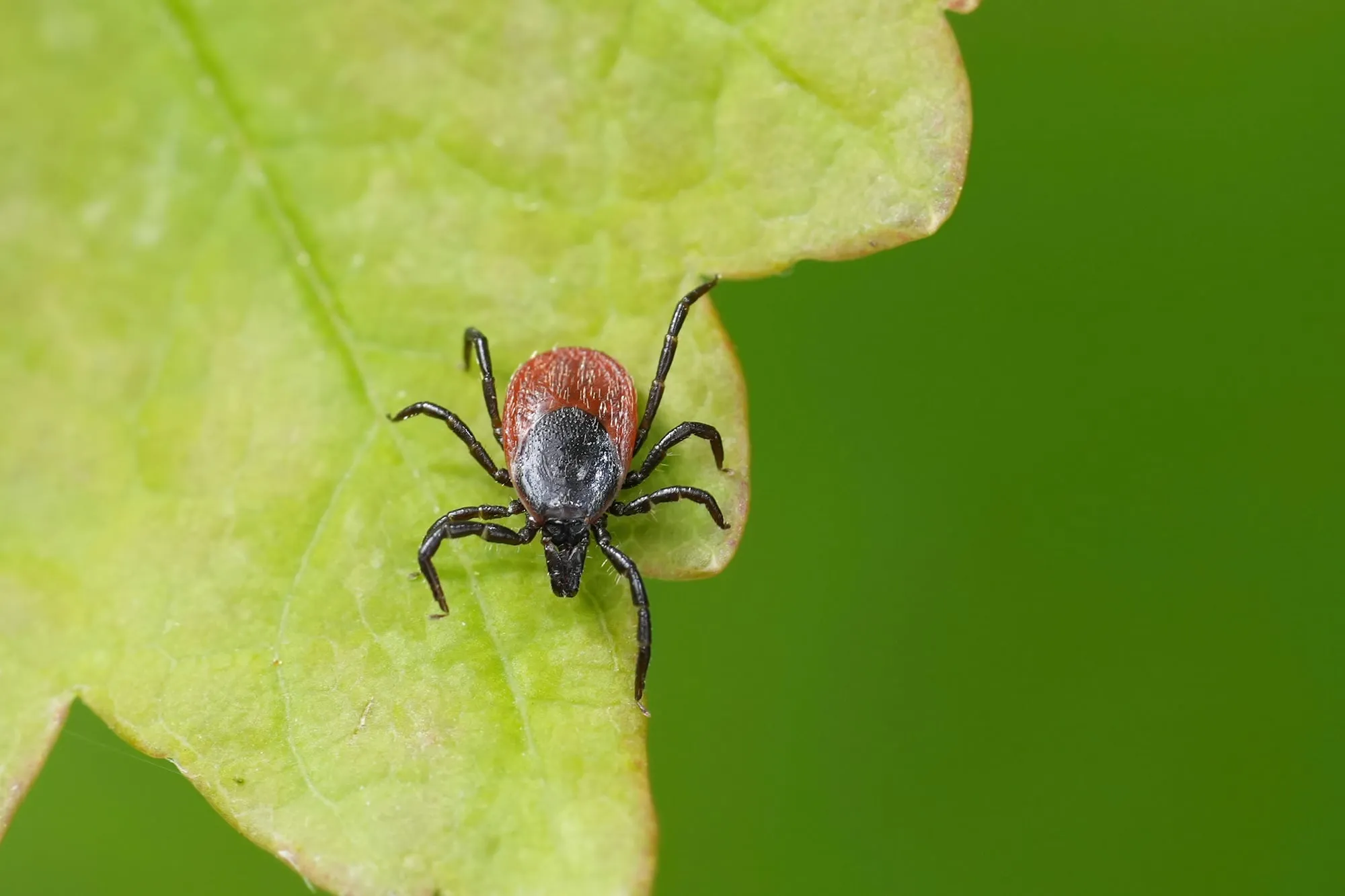
Guests often set up cornhole on the open lawn while ticks wait a few feet away at the wood line, fence strip, or stone wall guests lean on at sunset. That edge is not the same habitat as the mowed center, and treating the whole yard as one zone wastes the first walk you should take.
Hampton Pest Management runs tick and mosquito control from habitat notes, not zip codes. This article compares wood line pressure to open turf on Bridgehampton, East Hampton, and North Fork lots with similar edge stories.
Bring a flashlight to unmowed strips before guests spread blankets on the short grass. The first ten feet of edge often explain bites that never showed in the rotor footprint.
Why the wood line hosts ticks first
Leaf litter, shade, and deer travel keep humidity high along transitions from lawn to woods. Blacklegged ticks quest on low stems there, not on short sun baked turf in the rotor footprint.
Open lawn centers dry faster after morning dew. That does not mean zero risk, yet the odds shift sharply toward edges you do not mow weekly.
Photograph where lawn meets oak leaf paste or privet that never gets trimmed. Those strips are tick highways on East End weekends.
Dog paths and human shortcuts
Dogs often run the same loop along fence lines and between shed and wood pile. Those compressed paths can carry ticks toward the patio even when the front lawn looks pristine.
Cut throughs beside guest parking also matter. Ticks attach where ankles brush grass at the wood line, not where chairs sit on bare pavers.
Read gate path tick habitat when play equipment arrived early and paths multiplied.
Open lawn habits that do not replace edge work
A wide mow in the center does not remove shade strips along north foundations or pool cage corners.
Sprinklers that hit only the show lawn can leave edge thatch damp while the center looks perfect for photos.
Honest programs map where people actually walk at dawn and dusk, then treat and monitor those borders.
Deer and landscape structure at the margin
Deer browse lines and travel at margins feed tick hosts even when you never see deer on the open lawn.
Deer repellent programs change plant pressure but do not replace tick work at the wood line when guests use the same edge daily.
Stone walls and split rail fences give questing height beside seating areas. Wipe those zones into the tick file, not only the map center.
Programs that match how you use the yard
BioBelt mosquito control fits when deck time at dusk is the main story. Tick work still belongs on edges dogs and children use before dinner.
Pair with the spring guide to tick and mosquito control when several pest pressure overlaps on one calendar.
We will not imply one blanket spray solved edge habitat if wood line leaf litter stays untouched.
Checks before guest weeks spread onto the grass
Run checks on ankles, sock lines, and pets after edge walks, not only after deep woods hikes.
Light clothing and repellent help, yet they do not replace knowing which fence strip never dries after fog.
Tell us guest arrival dates so visits do not land the morning of the first lawn party.
What to send before a tick visit
Wide shots of lawn to woods transitions, unmowed strips, and dog paths beat a single message about bites on one child.
Note whether the property sat empty and whether landscapers changed mulch depth along edges this season.
Use contact with town and those photos. Hampton Pest Management aligns mosquito tick control with the edges your household actually uses.
Memorial and late fall edge pressure
Leaf drop along wood lines rebuilds litter layers ticks use while open lawn still looks ready for parties.
Fence lines you skip in October because growth slowed may hold the highest questing height before the first hard frost.
Run the yard edge mosquito and tick quiz when several outdoor pest pressure overlaps on the same guest weekend.