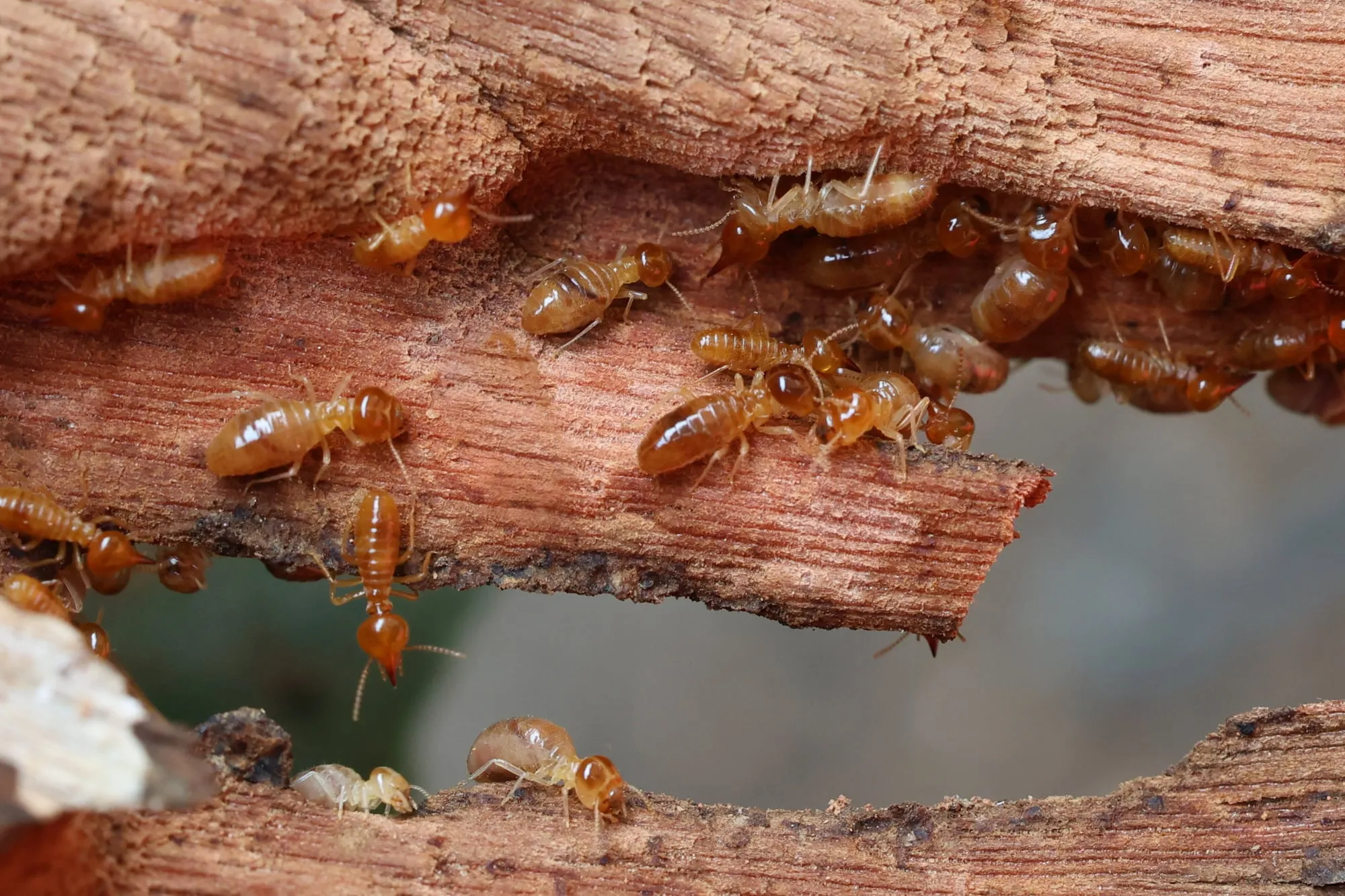
Termite signs are the visible clues termites leave behind long before you ever spot the insects themselves. That matters because by the time damage is obvious, the repair bill can get ugly fast. If a window suddenly sticks on a humid Hamptons morning or you find a few strange wings near a sill, it is worth paying attention.
What termite signs actually look like
Most termite signs do not look dramatic at first. They look like little annoyances, a warped door, a bit of bubbling paint, a narrow dirt line along the foundation, a soft patch of trim that feels wrong when you press it. That is why termite activity gets missed so often.
Here’s the thing: termites are built to stay hidden. Instead of marching across your kitchen floor like ants, they usually work inside wood, behind walls, or under floors. So “termite signs” really means the evidence left behind, not the pest itself. Small clues matter because termites can keep feeding quietly while everything on the surface still looks mostly fine.
1) Flying termites around windows, doors, or lights
Flying termites, often called swarmers, are reproductive termites sent out to start new colonies. If you see them indoors, especially around windows, sliding glass doors, porch lights, or in an attic, treat that as a serious warning sign.
Swarmers are easy to overlook because they can look like just another seasonal bug. But if a group shows up inside your home or commercial building, there is a good chance a colony is already nearby. Glass and light sources tend to be the giveaway spots because the insects drift toward both, then collect where you are most likely to notice them.
How to tell termite swarmers from flying ants
This part is simpler than it sounds. Termites have straight antennae, a thick waist, and two pairs of wings that are about the same size. Flying ants have bent antennae, a pinched waist, and uneven wing sizes.
You do not need a magnifying glass or a lab test. If the insect looks thick through the middle and the wings appear evenly matched, termites are a real possibility.
2) Piles of discarded wings
After swarmers land, they shed their wings. That means you may never see the insects themselves, only the aftermath. A little pile of identical wings on a windowsill can be one of the earliest termite signs in a home.
Check sills, entryways, corners near light fixtures, spider webs, and areas around exterior doors. Wings often collect where air movement stops, the same way lint gathers in corners. If you keep finding them in the same area, do not brush it off as random debris.
3) Mud tubes along the foundation or basement walls
Mud tubes are narrow, dirt-like tunnels termites build to travel between soil and wood while staying moist and protected. If you spot lines that look like dried mud running up a foundation wall, across a garage slab, through a crawl space, or near pipe and utility entry points, pay attention.
In Hamptons properties, these tubes can show up under decking, along basement walls, behind stored items, or near damp crawl spaces. Subterranean termites rely on moisture, so hidden, humid spots are prime territory.
What mud tubes mean for your home or building
Mud tubes usually point to subterranean termites, which are among the most destructive because they stay out of sight while feeding. According to Mississippi State University Extension, shelter tubes are one of the classic signs of infestation.
The catch is that knocking down a tube does not solve anything. It only removes one visible pathway. If termites are active, more tubes can appear, or feeding can continue somewhere you cannot see.
4) Hollow, soft, or blistering wood
Termite-damaged wood often looks normal from the outside and feels wrong underneath. It may sound hollow when tapped, feel papery or thin, or break apart more easily than it should. In some cases, the surface starts to blister or sag.
Common trouble spots include baseboards, trim, porch posts, window frames, exposed beams, and hardwood flooring. A floorboard that starts to bubble or a porch post that feels softer near the bottom deserves a closer look. Termites eat wood from the inside out, which is part of what makes the damage so sneaky.
Common spots you can check without tearing anything open
Start with the places you can see safely. Look at exposed wood in the basement, sill plates, crawl spaces, garage framing, door trim, and any wood close to a leaky hose bib or bulkhead door. Moisture and wood together are like an open invitation.
This does not mean digging into walls or prying up flooring. A careful visual check is enough to catch a lot of obvious clues.
5) Paint that bubbles, wallpaper that ripples, or drywall that looks off
Hidden termite activity can create surface problems that mimic a plain moisture issue. Paint may bubble, wallpaper may ripple, and drywall can start to look uneven or slightly swollen.
That is what makes this sign tricky. You see a cosmetic flaw and assume the problem is on the surface. But the structure behind that spot may be the real issue. Terminix notes that bubbling paint and damaged drywall can be associated with termite activity, especially when paired with other warning signs.
6) Doors and windows that suddenly stick
A door or window that worked fine last month and now drags, sticks, or refuses to close cleanly is easy to blame on humidity alone. Sometimes that is all it is. But sometimes termites have been feeding in or around the frame, changing the shape of the wood just enough to create friction.
In the Hamptons, seasonal moisture already makes wood movement common, which is exactly why this sign gets ignored. If the sticking comes with soft trim, bubbling paint, or other clues nearby, do not shrug it off.
7) Tiny pellet-like droppings near wood
Frass is a plain-English word for termite droppings. Depending on the species, it can look like pepper, sawdust, or tiny wood-colored pellets. Small, neat piles near trim, sills, or even wood furniture are especially associated with drywood termites.
Unlike random dust, frass tends to show up repeatedly in the same spot. You clean it, then a fresh little pile appears later. That repeat pattern matters.
Frass vs. sawdust: the quick difference
Not every wood-related pile means termites. Carpenter ants and other wood-boring insects leave debris too. But termite frass is usually more uniform and pellet-shaped, while sawdust looks more ragged and mixed.
Think of the difference like table salt versus torn paper. One looks manufactured and consistent. The other looks messy.
8) Odd noises, musty smells, or other easy-to-miss clues
Some termite signs are less direct but still worth noticing. A faint musty smell, squeakier floors than usual, loosening tiles, or slight sagging in a surface can all fit the picture.
None of these signs prove termites by themselves. But if your floor starts squeaking, a wall looks a little warped, and you also find soft trim near a damp corner, the pattern starts to tell a clearer story. Insect.com and Terminix both point to these subtle changes as clues that often get overlooked.
9) Visible damage during renovation, cleanup, or yard work
A lot of termite problems get discovered by accident. You move storage away from a basement wall, swap trim, open a section of drywall, or clear out clutter near the foundation and suddenly see tunnels, damaged wood, or insect activity.
Outdoor clues count too. Fence posts, stacked firewood, old tree stumps, mulch-heavy planting beds, and wood debris close to the structure can all show signs of feeding. If the outside wood around your property looks chewed up or hollow, it is smart to look closer at the building itself too.
What termite damage looks like in the hamptons
Local conditions matter. Coastal moisture, crawl spaces, older wood framing, and seasonal homes can make termite problems easier to miss in the Hamptons. A house that sits quiet for stretches of the year gives hidden damage time to grow without much daily notice.
Picture a damp crawl space after a rainy week in East Hampton or Southampton. You head down to check on a musty smell and spot thin mud tubes climbing a foundation wall behind stored beach chairs. That kind of discovery is not unusual here. Moisture does not cause termites, but it creates the sort of conditions termites like.
What to do if you notice even one of these signs
Stay calm, then get specific. Take clear photos, note exactly where you found the sign, and avoid disturbing the area more than necessary. If you knock things apart, spray store-bought products, or scrape away evidence, you can make the situation harder to assess.
One direct claim is worth making here: if you see wings or mud tubes, waiting is a mistake. Schedule a professional termite inspection. A trained inspection can confirm whether the sign is old, active, or part of a larger hidden problem.
What not to do
Do not assume it is just water damage. Do not paint over bubbling areas and forget about them. Do not tear down mud tubes and call it fixed.
Those are cosmetic reactions to a structural problem, and they buy false peace of mind.
Quick questions about termite signs
Do termite signs always mean an active infestation?
Not always. Some signs can be old, especially if a property had treatment in the past. But a single clue still points to enough risk that a prompt inspection makes sense, especially when the sign is wings, mud tubes, or damaged wood.
What’s The earliest termite sign most people miss?
Discarded wings rank near the top. Bubbling paint and a sticking window are close behind because both are easy to blame on humidity, age, or minor settling before anyone thinks about termites.
Can you check for termite signs yourself?
Yes, for a basic visual check. Walk around windows, baseboards, foundations, crawl spaces, and exposed wood. Look for wings, tubes, blistering, soft spots, and repeated debris. But hidden colonies often stay behind walls or below floors, so a professional inspection is still the surest way to confirm what is going on.
A simple first check you can do today
Take ten minutes and do one lap. Check your foundation, windowsills, door frames, and any exposed wood in the basement or crawl space. Look for wings, mud tubes, bubbling paint, or wood that seems soft or hollow.
That quick walk will not diagnose everything, but it can catch the clues that matter. And if you spot even one solid sign, especially mud tubes or shed wings, treat it like a real problem and get it checked.
- Disclaimer: This article is for general informational purposes only. It is not professional advice, a quote, or a service agreement. Conditions at your home or property may differ; contact a qualified professional for an on-site evaluation before making repair, safety, or spending decisions.