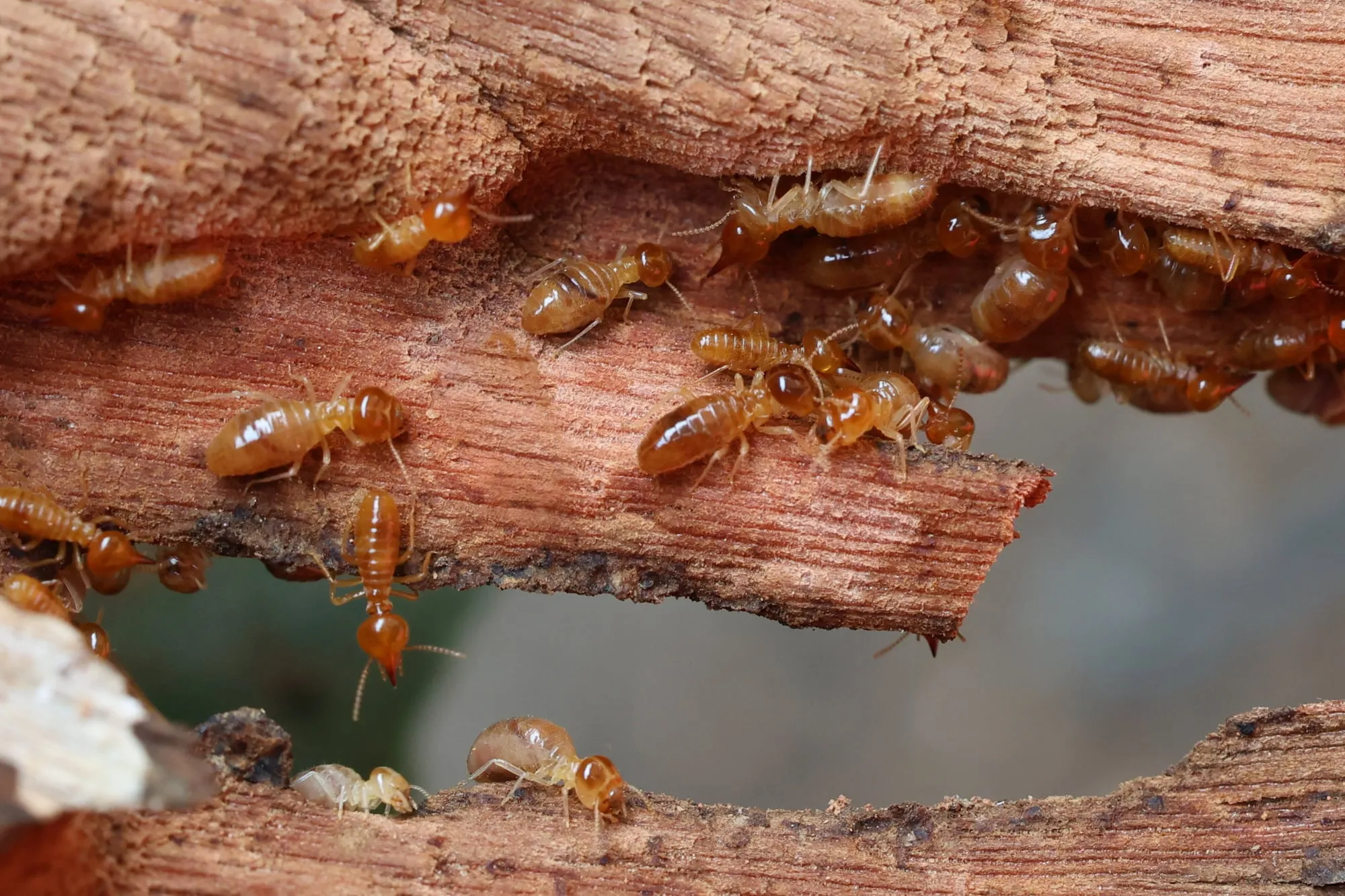
A termite inspection usually enters the picture at exactly the wrong moment: when you are buying a house, spotting something odd near the baseboard, or realizing that “later” has turned into three years. The good news is that a termite inspection is not mysterious, and knowing what to expect makes it much easier to book the right service and make sense of the results.
What a termite inspection actually is
A termite inspection is a focused check of your property for signs of termite activity, termite damage, and the conditions that make an infestation easier to start. That includes the obvious stuff, like mud tubes or damaged wood, but it also includes less obvious risk factors like moisture problems, wood touching soil, and hidden access points around the structure.
Think of it less like a quick glance and more like a targeted investigation. The job is not just to confirm “yes” or “no” on termites. The job is to figure out where termites could be getting in, what evidence exists now, and what parts of the property deserve closer attention before small damage turns into expensive repair work.
Why this matters more than most people think
Here’s the thing: termites are good at staying out of sight. You can have activity behind a wall, under a floor, or inside a crawl space long before anything looks dramatic from the living room.
That is why waiting for obvious signs is a bad bet. By the time wood starts crumbling, paint begins bubbling, or a door suddenly sticks for no clear reason, damage may already be well underway. A termite inspection matters because it catches problems in the stage where action is simpler, faster, and usually cheaper.
When you should schedule a termite inspection
Some inspections happen because of a clear event. Some happen because you want to stay ahead of trouble. Both are valid, and honestly, prevention is usually the less stressful path.
If your property sits in conditions termites like, such as wood features, damp areas, shaded foundation lines, or older structural elements, routine inspections make sense even if nothing seems wrong. If something does seem off, book sooner rather than later.
Before buying or selling a home
A termite inspection often shows up during a real estate transaction because hidden damage can change the value of a property fast. Buyers want to know what they are getting into, and sellers usually want to avoid surprises right before closing.
This can affect timing, repair requests, and negotiations. If activity or damage is found, you may need treatment, documentation, or more evaluation before a deal moves forward. A clear inspection report can keep a transaction from turning into a guessing game.
If you’ve noticed warning signs
Some clues are hard to ignore once you know what they look like. Mud tubes are pencil-width tunnels termites build to move while staying moist and protected. Hollow-sounding wood can mean the inside has been eaten away while the outer surface still looks normal. Bubbling paint sometimes mimics water damage, but termites can cause a similar effect.
You may also notice tight-fitting doors or windows, discarded wings near sills, or frass, which is termite droppings that can look like tiny pellets. Not every sign confirms an active infestation, but every one of these signs deserves a real inspection.
As part of ongoing property protection
For homes and commercial properties, periodic inspections are a practical form of maintenance. This matters even more in places like the Hamptons, where seasonal moisture, coastal weather, crawl spaces, and older wood structures can create inviting conditions.
If your property is vacant part of the year, the case for routine checks gets even stronger. A problem can grow quietly when nobody is around to notice the early hints.
What to expect during the inspection visit
A lot of hesitation comes from not knowing what the appointment will actually involve. In most cases, the process is straightforward. The inspector arrives, checks accessible interior and exterior areas, looks for signs of activity and damage, and notes conditions that raise risk.
It should feel thorough, not theatrical. No one should be trying to scare you. A good visit feels methodical and clear.
What gets checked inside and outside
Inside, inspection areas often include basements, crawl spaces, attics, window frames, door frames, wood trim, utility entry points, garages, and any place where moisture or wood damage may be present. Outside, the foundation, siding, deck supports, fences attached to the structure, mulch lines, and areas where soil meets wood usually get close attention.
The point is to look for termites directly and to look for the patterns termites leave behind. That includes damage, shelter tubes, moisture staining, soft wood, and vulnerable construction details.
How long it usually takes
Timing depends on property size, layout, and how easy key areas are to access. A smaller, straightforward property may take less than an hour. A larger home, older building, or commercial space with multiple access points can take quite a bit longer.
Picture a technician checking a crawl space in East Hampton after a rainy week. Damp soil, low clearance, stored items near the access door, and extra moisture around the foundation all slow things down, but for good reason. A rushed inspection misses the very areas where termites often hide.
What you may need to do before the appointment
Preparation is usually simple. Make sure access points are open and reachable, especially attic openings, crawl space entries, basements, utility rooms, garages, and areas along interior or exterior walls. If boxes, storage bins, or furniture block inspection zones, move them if you can.
You do not need to tear your property apart. The goal is just to remove easy obstacles so the inspector can actually see the places that matter.
What inspectors look for
A good inspection is not only about spotting bugs. It is about reading the building itself. Certain damage patterns, moisture issues, and construction details tell a pretty clear story about risk.
That matters when you are comparing services. You want a company that understands how termites behave, not one that just peeks at the baseboards and calls it done.
Signs of active termites
Active termites may show up as live insects, fresh mud tubes, recent swarms, shed wings, or wood that looks newly damaged. Fresh activity tends to look moist, clean, or recently disturbed. Older evidence may look dry, abandoned, or inactive.
That distinction matters. Current activity usually points to immediate treatment needs. Older evidence may still call for repair, monitoring, or follow-up, but it does not always mean termites are actively feeding right now.
Damage and risk conditions
Inspectors also look for the setup termites love. Leaks, poor drainage, high mulch beds, clogged gutters, firewood stacked against the house, tree stumps, and wood touching soil all make life easier for termites.
Moisture is a big one. Wet or damp wood is more attractive and easier to invade. If you have chronic dampness near the foundation or in a crawl space, that is not just a maintenance issue. It is a termite invitation.
Areas termites tend to hide
The catch is that termites are stealthy by design. Common hiding spots include sill plates, subfloors, support beams, wall voids, behind insulation, and areas concealed by stored materials.
That is why an inspection can be necessary even when everything looks fine at eye level. Termites rarely announce themselves in the middle of an open room. You usually find the evidence where access is tight and visibility is poor.
Understanding the inspection report
The report is where a lot of confusion starts. You see notes, diagrams, maybe photos, and suddenly every line feels bigger than it is. A useful report should separate findings clearly and give you a sensible path forward.
You are not just looking for a yes-or-no answer. You are looking for what was found, where it was found, how urgent it appears, and what should happen next.
Active infestation vs. old damage
This is one of the biggest distinctions in any termite inspection report. Active infestation means current signs suggest termites are present now. Old damage means termites were there at some point, but current activity was not confirmed during the inspection.
That difference affects urgency. Active infestation usually means treatment should move quickly. Old damage may call for repairs, additional evaluation, or monitoring, especially if the damaged wood affects structural areas.
Recommended next steps
Recommendations can include termite treatment, follow-up inspections, repairs to damaged wood, moisture control, drainage fixes, or removal of contact points like stacked firewood or wood debris near the structure.
For a real estate transaction, the report may also serve as documentation for lenders, buyers, or sellers. In that context, clarity matters almost as much as the findings themselves.
Questions worth asking after the report
After you get the report, focus on a few practical questions. Ask where activity or damage was found, how extensive it appears, what treatment approach fits the property, what repairs may be needed, and when the property should be rechecked.
Those questions do two things. They help you make a decision, and they reveal whether the company is giving you real guidance or just pushing a fast sale.
How to choose the right termite inspection service
This is the buyer’s guide part that matters most. Not every inspection is equally useful, even if the service names sound similar. You are paying for thoroughness, clear reporting, and local judgment.
If an inspection feels rushed, vague, or oddly cheap, there is usually a reason.
Experience with local property conditions
Local experience matters because termite risk is shaped by the property itself and the environment around it. In the Hamptons, that can mean crawl spaces with persistent dampness, seasonal homes that sit empty, coastal exposure, older framing, and wood trim that takes a beating from weather.
A company familiar with those conditions is more likely to notice the small things that matter. That includes moisture patterns, access trouble spots, and the kinds of hidden vulnerabilities common in local homes and businesses.
Licensing, reporting, and treatment options
Check for proper licensing and make sure the inspection includes a clear written report. That should cover findings, locations, visible damage, and recommended next steps. If the company also offers treatment, that can be convenient, but the inspection still needs to stand on its own.
The useful question is not just “do you treat termites?” It is “will you explain what you found clearly enough that I can decide what makes sense next?”
Red flags to avoid
Watch for vague pricing, no written report, pressure tactics, promises that sound too tidy, or inspections that seem over almost as soon as they begin. Termite work should feel careful.
If somebody spends ten minutes on a large property and declares everything perfect, that is not reassuring. That is a speed run.
Cost, timing, and common mistakes
Most hesitation comes down to three things: cost, scheduling, and the fear of overreacting. The truth is simpler. A solid inspection is usually far less painful than the damage it can uncover too late.
And timing matters. Waiting until the signs are obvious is usually the expensive version of this story.
What affects the cost
Cost usually depends on property size, layout, accessibility, and the purpose of the inspection. A sale-related inspection with formal documentation may differ from a routine preventive visit. Tight crawl spaces, large footprints, multiple structures, and hard-to-reach areas can also affect pricing.
The right comparison is not just price. It is what is included, how detailed the report is, and whether the service actually gives you enough information to act on.
How often you should get inspected
For many properties, an annual termite inspection is a sensible baseline. If your property has a history of termite issues, persistent moisture, older wooden elements, or long periods of vacancy, more frequent checks may make sense.
Commercial properties, rental buildings, and hospitality spaces often benefit from a regular schedule because the cost of disruption is higher. If your building has the conditions termites like, waiting several years between inspections is usually not worth the gamble.
Mistakes that can cost you later
A few mistakes show up again and again. Skipping inspections because there are no visible signs is the big one. Blocking access to crawl spaces, basements, or foundation walls is another, because hidden areas are often where the real story sits.
Ignoring leaks or drainage issues is also a problem. Moisture attracts trouble. And choosing the cheapest option without checking what the inspection includes can leave you paying twice, once for the rushed visit and again for the proper one.
Termite inspection for homes vs. businesses in the hamptons
Homes and businesses need the same basic service, but the priorities can be different. That difference matters when you book and when you review the report.
What homeowners usually need
For homeowners, the goal is usually peace of mind mixed with early detection. Seasonal homes need special attention because small issues can sit unnoticed for months. Crawl spaces, basements, decks, exterior trim, and older wooden details deserve close review, especially after wet weather or long vacant stretches.
If your house is near the coast, normal wear from salt air and moisture can make damage easier to miss. A termite inspection helps separate cosmetic wear from deeper problems.
What business owners and property managers should think about
For businesses and managed properties, consistency matters. Routine inspections help protect documentation, tenant relationships, and building condition. That is especially true in older storefronts, hospitality properties, and structures where even minor damage can become a visible customer-facing problem.
There is also the practical side: disruption. A good inspection process should be organized, clear, and respectful of schedules, especially in occupied commercial spaces.
How to get the most out of your inspection
A little preparation makes the whole process more useful. You do not need a perfect property. You just need to make the inspection easier to do well.
A quick checklist before you book
Before booking, note any signs you have noticed, even if they seem minor. Clear access to key areas. Ask what the inspection includes. Confirm that you will get a written report. Ask what happens next if termites are found.
That short list saves time and cuts down on surprises.
One smart move to make today
Take ten minutes and walk your perimeter. Look for damp spots, wood touching soil, mulch piled high against the foundation, or anything that just looks off. If something does not sit right, trust that instinct and book a termite inspection.
That one small check is often how bigger problems get stopped early.
- Disclaimer: This article is for general informational purposes only. It is not professional advice, a quote, or a service agreement. Conditions at your home or property may differ; contact a qualified professional for an on-site evaluation before making repair, safety, or spending decisions.