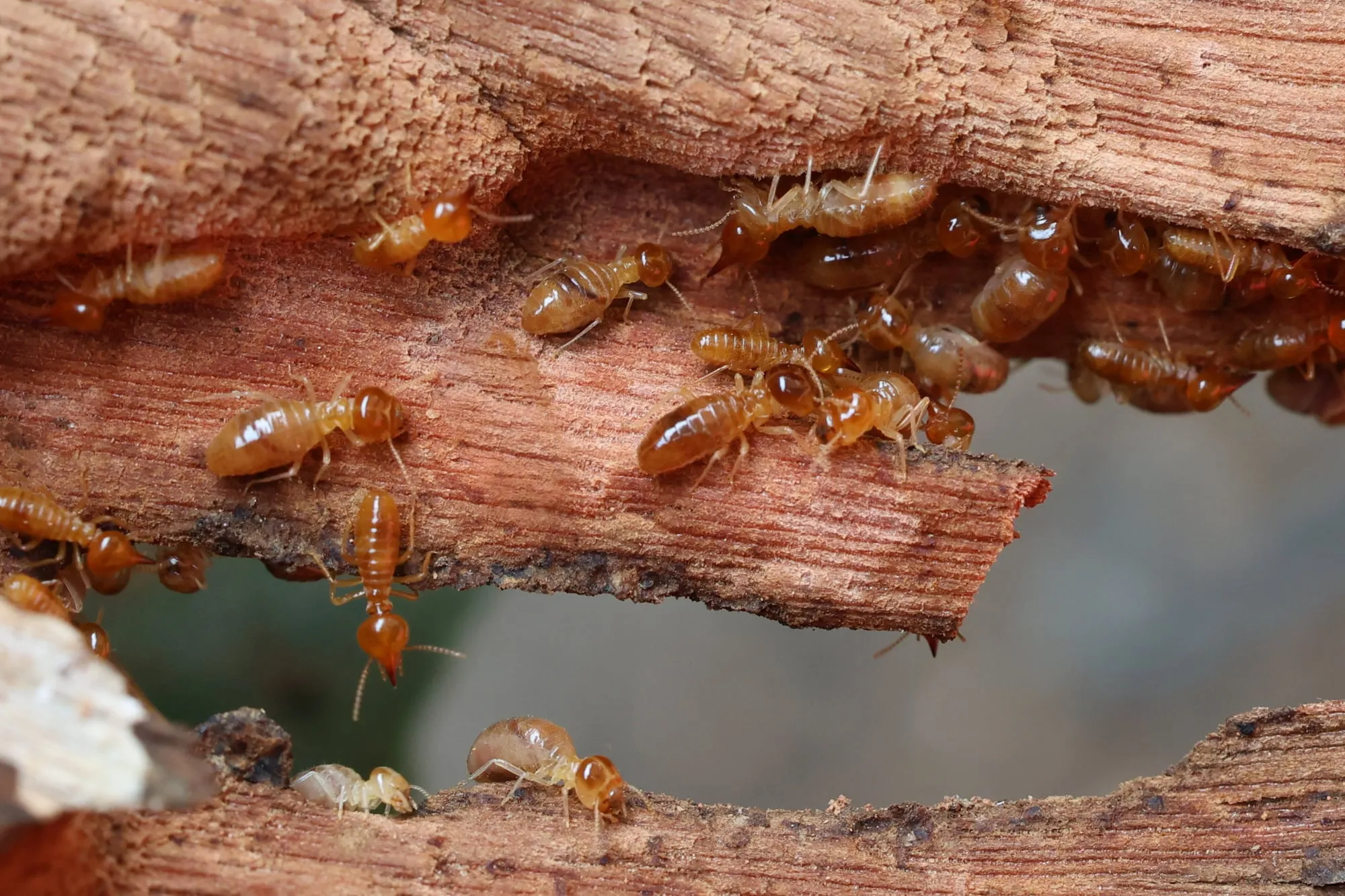
Termite control cost can feel all over the place. One quote looks manageable, the next makes you wonder if somebody added a zero, and in the Hamptons that gap often comes down to the house itself, not just the pest problem. If you want to know what actually drives termite control cost up, here’s the plain-English version of what changes the price, what’s worth paying for, and what to watch before you sign.
What termite control usually costs in the hamptons
If you are pricing termite work in the Hamptons, expect a range, not a fixed number. A small, localized treatment can land in the low hundreds. A larger treatment plan with ongoing monitoring, difficult access, and repair work can move into the thousands pretty quickly.
Part of that is simple geography. Hamptons properties often have bigger footprints, more detached structures, older framing, crawl spaces, dense landscaping, and moisture exposure from coastal conditions. Each one adds labor, materials, or follow-up visits. Like home painting, the square footage matters, but prep work is what really changes the bill.
Typical price ranges by service type
Inspection costs may be separate or folded into treatment, depending on the company and whether you move forward. A standard termite inspection often ranges from free to a few hundred dollars.
Spot treatments usually cost less than whole-property plans because the treatment area is small. You are often looking at a few hundred dollars for a minor, targeted issue if the infestation is caught early and access is easy.
Bait systems usually start higher than a basic inspection but spread cost over time. You pay for installation of stations around the property, then for periodic monitoring and maintenance. The upfront cost can be moderate, but the annual total grows if service continues year after year.
Liquid barrier treatments tend to be one of the bigger line items. These involve treating soil around the home, often with trenching or drilling, and pricing rises with foundation length, obstacles, and labor time. Full perimeter treatments often run from the high hundreds into several thousand dollars.
Fumigation is less common in many termite cases than local or soil treatments, but if it is recommended for a structure-wide issue, pricing is usually much higher because the job is bigger, more disruptive, and more specialized.
Wood repair is often separate from treatment. Replacing damaged trim might be modest. Replacing joists, sill plates, or opening and restoring walls is a different story entirely.
Annual monitoring or protection plans add recurring cost, but they also change your risk. More on that in a minute.
Why two quotes can look wildly different
Here’s the thing: termite pricing is not like comparing the same appliance at two stores. One estimate may cover a tiny active area. Another may include the perimeter, detached structures, follow-up visits, and a renewable warranty.
The termite species matters. The treatment method matters. The age and layout of your house matter. The warranty terms matter. If one quote includes annual inspections and retreatment coverage and the other does not, the lower number is not automatically the better deal.
A quote is only useful if you know the scope behind it.
The biggest factors that drive termite control cost up
If you want to understand a termite estimate fast, focus on the things that actually move the number. Most price increases come from treatment complexity, not random markups.
Type of termite and treatment method
Different termites need different approaches. Subterranean termites live in the soil and usually enter from below or through foundation gaps. Drywood termites live directly inside the wood they eat. Those are two very different problems.
Subterranean termite treatment often involves a liquid barrier or bait system. A liquid treatment means applying termiticide, basically a chemical designed to kill or block termites, in the soil around the structure. A bait station is a monitored station placed in the ground that termites feed on and carry back to the colony. Both can work, but they price differently.
Drywood termite treatment may involve spot treatment inside affected wood or broader whole-structure treatment if activity is widespread. That can raise cost because the work becomes more invasive or more extensive.
The catch is that people often confuse termites with carpenter ants, powderpost beetles, or carpenter bees. Wood-destroying pests are not all treated the same way. If the pest is misidentified, the estimate can be wrong from the start.
Size of infestation and extent of damage
A small, early infestation costs less to treat than active termite colonies spread through wall voids, floor framing, beams, or multiple buildings. That is the direct truth, and waiting almost always costs more.
If activity is limited to one area, treatment may stay targeted. If termites have moved through several parts of the structure, the plan usually expands. More drilling, more material, more labor, more follow-up.
Damage changes the number too. Treating termites and fixing termite damage are often billed separately, but severe damage influences both. Once a company finds compromised framing, the job stops being only about pest control and starts touching carpentry, access openings, and finish repair.
Home size, layout, and access
A larger house usually costs more to protect because there is more ground to cover, more foundation to treat, and more places termites can hide. But layout matters almost as much as size.
A straightforward ranch with open access is easier than a house with additions, multiple foundation types, decks tight against the siding, and narrow crawl space entries. A finished basement can complicate inspection. A slab foundation can require more drilling in some cases. A detached garage or pool house can add another treatment zone.
Picture a long East Hampton crawl space with low clearance, damp insulation, and years of utility lines crossing the path. That is not a quick in-and-out job. Labor goes up because access is harder, inspection takes longer, and treatment is more physically demanding.
Soil conditions, moisture, and property setup
Termites love moisture, and moisture problems often make treatment more involved. Poor drainage, downspouts dumping near the foundation, clogged gutters, leaking outdoor spigots, and damp crawl spaces all create better conditions for termite activity.
Property setup matters too. Heavy mulch against the house, dense shrubs covering the foundation, wood touching soil, stacked firewood near the siding, and irrigation keeping the perimeter wet can all increase treatment needs. Sometimes the service includes recommendations only. Sometimes extra prep or follow-up is needed.
If the environment keeps inviting termites back, the treatment plan usually gets more aggressive, and more expensive.
Frequency of service and warranty coverage
One-time service is usually cheaper upfront than an annual plan. That part is obvious. What is less obvious is how much warranty terms affect the number.
A renewable warranty, retreatment guarantee, or annual monitoring plan can raise the initial or ongoing cost because you are paying for future inspections, administration, and possible retreatment. But on a larger home or a property with recurring moisture issues, that extra coverage can be worth it.
Read this part slowly. Some warranties cover retreatment only. Some include damage repair, though that is less common and often limited. Some stay active only if you renew annually. A cheap quote with no protection after the first visit can end up being the expensive choice.
Common termite treatment options and how each affects price
Most termite quotes fall into a few treatment categories. Understanding those categories makes estimates much easier to compare.
Liquid barrier treatments
Liquid barrier treatments are common for subterranean termites. The goal is to create a treated zone around the home so termites cannot enter without contacting the product.
That often means trenching soil around the foundation and sometimes drilling through concrete, patios, garage slabs, or masonry areas where soil is covered. More drilling and more foundation complexity usually mean higher labor cost.
This method works best when full perimeter access is possible. If landscaping, hardscaping, additions, or tight spaces block that access, the price can climb because the job becomes slower and more technically awkward.
Bait systems
Bait systems involve installing stations in the ground around the property and checking them on a schedule. Termites feed on the bait and carry it back to the colony.
The appeal is obvious. Installation can feel less disruptive than trenching and drilling, and the upfront price may look more manageable in some cases. But here’s where it gets interesting: bait systems are usually not a one-and-done expense. Monitoring visits, replacement bait, and annual service keep the system effective, so the long-term cost can outpace a single treatment.
If your property is better suited to ongoing monitoring, that may still be the right choice. Just do not mistake lower initial pricing for lower total cost.
Spot treatments and localized wood treatments
Spot treatments target specific active areas, such as a small section of damaged trim, a sill, or a localized wall void. When the problem is truly limited, this can be a smart, lower-cost solution.
But a spot treatment is only as good as the diagnosis behind it. If visible damage is just the tip of the problem, paying for a tiny fix can be like patching one roof leak while ignoring the missing shingles above it.
A local treatment makes sense when activity is confirmed to be isolated. It is a bad bargain if the actual colony remains untouched.
Repair work after treatment
Treatment kills or controls termites. Repair work fixes what termites damaged. Those are often separate charges, and a lot of homeowners miss that when comparing estimates.
Repair costs vary widely. Replacing a short run of trim is one thing. Replacing structural wood, opening drywall to reach hidden damage, and restoring paint or finishes is something else. If a quote sounds cheap, check whether repair is excluded. It often is.
What affects termite control cost in hamptons homes specifically
Local housing stock changes termite pricing more than many people expect. In the Hamptons, certain property features show up again and again, and those features push estimates upward.
Older homes, crawl spaces, and seasonal properties
Older homes often have more complicated framing, more additions layered over time, and more hidden voids where termites can work unnoticed. Crawl spaces add inspection and treatment challenges, especially if clearance is tight or moisture is high.
Seasonal properties create another issue: long stretches without day-to-day observation. A small mud tube near a foundation vent or a soft window trim board can sit there for months before anyone notices. By the time service is scheduled, the problem may be much bigger.
Vacancy does not cause termites, but it does give damage more time to spread quietly.
Detached structures and larger lots
Hamptons properties often include more than the main house. Sheds, detached garages, pool houses, pergolas, fences, and storage buildings may all need inspection and, in some cases, treatment.
That matters because termites do not care which structure is on the deed. If activity is present near or inside multiple buildings, scope increases fast. More linear footage, more stations, more perimeter, more labor.
Larger lots can also affect bait system pricing because more ground coverage may be needed for proper monitoring.
Coastal moisture and landscaping pressure
Coastal air, irrigation, shaded planting beds, and dense foundation landscaping can keep certain areas damp longer than you think. That steady moisture supports termite-friendly conditions and can justify stronger prevention measures.
Even beautiful landscaping can become part of the cost story. Thick shrubs against the house, mulch piled high, and hard-to-access foundation walls make inspection slower and treatment harder. A property that looks polished from the driveway can still be a headache at the foundation line.
How to compare termite estimates without getting burned
A termite estimate should be clear enough that you know exactly what you are buying. If it is vague, it is not a good estimate.
What a good estimate should include
A solid estimate spells out the termite type if identified, the treatment areas, and the method being used. It should also explain prep requirements, number of visits, follow-up schedule, and warranty terms.
Look for details on what is not included too, especially repair work, inaccessible areas, and conditions that could trigger extra charges later. If the quote mentions protection, it should say how long that protection lasts and what keeps it active.
Short checklist, because this part needs to be easy to scan:
- Termite type identified
- Treatment areas listed
- Method clearly named
- Number of visits included
- Warranty terms explained
- Repairs excluded or included
- Follow-up schedule stated
Questions to ask before you sign
Ask whether termite damage repair is included or separate. Ask how long the treatment is expected to protect the property and whether annual renewal is required to keep the warranty active.
Ask what could increase the final bill. Does extra drilling cost more? Are detached structures included? What happens if activity is found outside the listed treatment area?
Also ask how the company decided on that treatment method. A good answer should connect the recommendation to your home, your termite type, and the scope of the infestation, not just give a generic pitch.
Red flags in low or vague pricing
A suspiciously low quote usually means something is missing. Maybe the service is limited to one visible area. Maybe monitoring is extra. Maybe the warranty is weak or nonexistent.
Missing inspection details are another warning sign. If the estimate does not describe where activity was found or what was inspected, you are being asked to trust a blank space.
No written warranty is a problem. So is a recommendation that treats the symptom but ignores the cause, like applying a local fix while skipping obvious moisture issues or larger perimeter risk.
Smart ways to keep termite costs from climbing
The cheapest termite bill is usually the one that stays small. Prevention is not glamorous, but it saves money because it keeps treatment simpler.
Fix moisture issues first
Moisture is one of the clearest cost drivers you can control. If gutters overflow, downspouts dump at the foundation, crawl spaces stay damp, or exterior leaks go unchecked, your property keeps sending termites an invitation.
Fixing drainage and leak issues will not replace treatment if termites are already active. But it can reduce future pressure, help treatments work better, and lower the odds of repeat service. This is one of the few upgrades that pays you back from both sides: pest prevention and general home protection.
Reduce wood-to-soil contact and clutter
Wood touching soil is a problem waiting to happen. That includes siding too close to grade, fence posts, lattice, stored lumber, and even stacked cardboard or debris tucked against the house.
Keep mulch from piling high against the foundation. Move firewood away from the home. Clear stored items out of crawl spaces when possible. None of this is complicated, which is exactly why it works. Small cleanup jobs can keep a future quote from getting ugly.
Schedule inspections before peak damage sets in
Inspections are a smaller spend than major treatment and much smaller than treatment plus repair. If your property is seasonal, this matters even more.
A check before arrival for the season, or after a long vacancy, can catch activity while it is still localized. That is the sweet spot. Once damage becomes visible in flooring, trim, or framing, the cost story usually changes for the worse.
When it makes sense to pay more upfront
Not every higher quote is overpriced. Sometimes paying more now is the cheaper move over time.
Better warranties and monitoring plans
If your house is large, older, moisture-prone, or has had termite issues before, stronger coverage may be worth the added cost. Annual inspections and retreatment guarantees can catch returning activity before it becomes another expensive repair project.
This is especially true on properties where full risk elimination is difficult. Dense landscaping, detached structures, hard-to-access crawl spaces, and seasonal vacancy all make monitoring more valuable.
Full treatment versus partial treatment
A cheap half-fix is often the most expensive option in the end. That is not sales talk. It is just how termites work.
If the actual problem is broader than the visible damage, a partial treatment can leave the colony active and buy you a short quiet period, nothing more. Then you pay again for retreatment, and maybe more for repairs because the damage kept going.
Short-term savings feel good on paper. Full treatment tends to look better once you factor in repeat visits, growing damage, and lost time.
Quick checklist for choosing the right termite control service
When you are staring at two or three estimates, keep the decision simple. Confirm the termite type. Compare treatment scope, not just price. Check warranty terms carefully, especially renewal requirements and whether retreatment is included. Ask if repairs are separate. If signs are already showing, book the inspection sooner rather than later, because termites do not pause while you think it over.
Try one thing before making any decision: pull out the last quote you received and check whether the treatment area and warranty are actually spelled out. If those two pieces are fuzzy, the price is fuzzy too.
- Disclaimer: This article is for general informational purposes only. It is not professional advice, a quote, or a service agreement. Conditions at your home or property may differ; contact a qualified professional for an on-site evaluation before making repair, safety, or spending decisions.