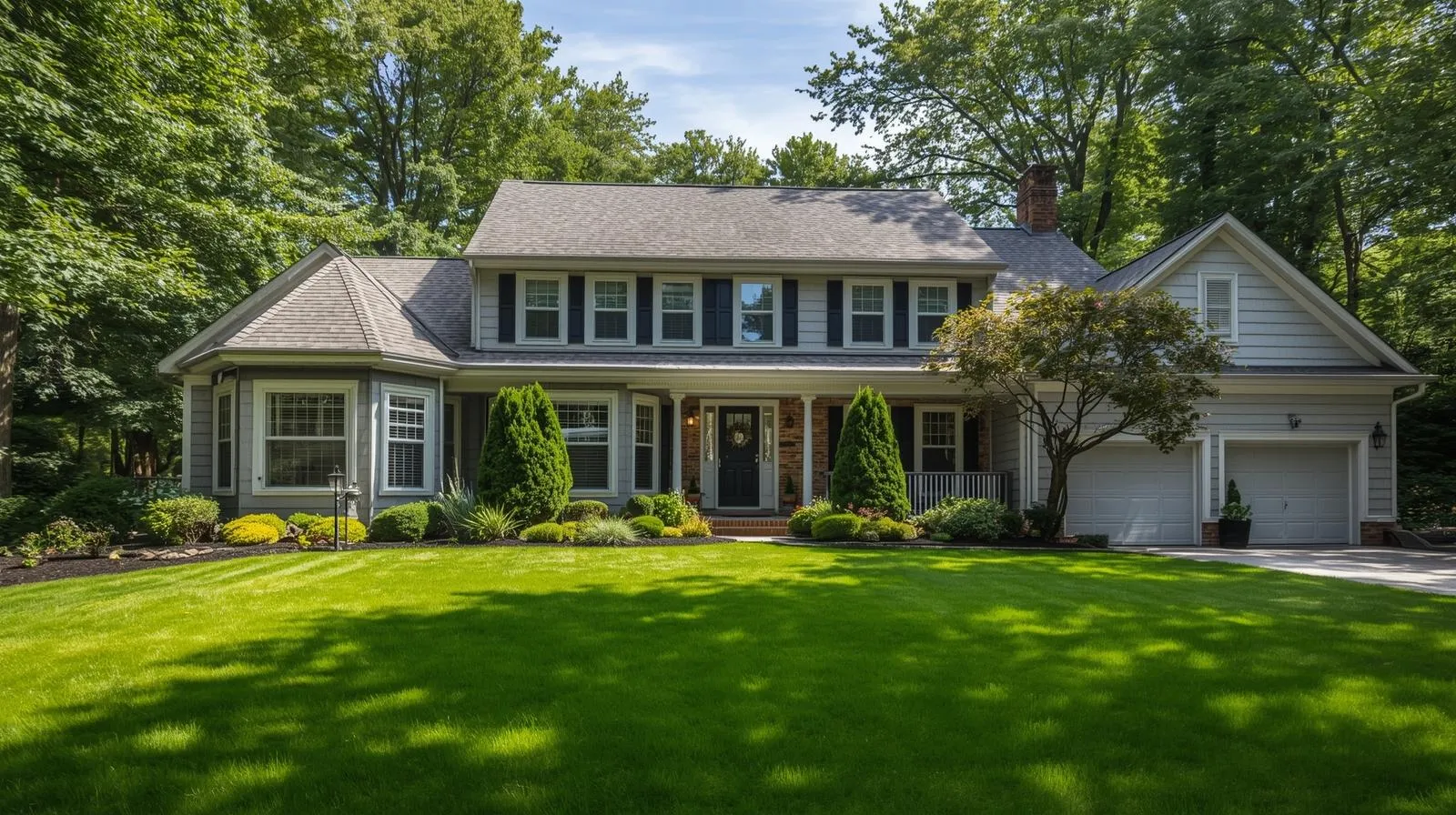
An off-color Hamptons lawn is usually a water, salt, or traffic story before it is a disease story. Sandy South Fork soil shows a skipped irrigation cycle by the next afternoon. Salt spray on an ocean lot bleaches a strip that looks like a lesion from the deck. Chair legs from a Saturday lunch compact a rectangle that stays pale all week.
Hampton Pest Management gets called because the grass “looks sick.” We still want pattern. If the pale area follows a head that is stuck, we start there. If the grass is slimy and spreading in a humid week, disease stays on the list. Color from a rental photo is not enough.
What East End lots do to turf color
Houses sit empty, then fill. Irrigation that was off for ten days, then slammed on for guests, shocks a stand. Fertilizer thrown before a heat spike on sand can scorch. Dogs from a weekend rental leave spots that look like dollar-size disease. Mowing too low for a party photograph is a scalp, not a pathogen.
Photograph morning and late day. Note wind off the water, last irrigation change, and whether a landscaper just fertilized. Tick habitat at the wood line is a different service from a lawn color complaint. Keep them separate so the file is usable.
Do not add water because it is pale
If the pale ring is already the wettest bounce-back from a driveway, more minutes make it worse. If the west corner is simply out of throw, that is a coverage repair. We will not hang a fungicide on a dry sand patch because a guest mentioned fungus at dinner.
A follow-up after one dry, windy day can clarify more than two products stacked before Labor Day. If we cannot tell which action changed the color, we learned nothing.
Occupancy and other trades
Tell us when people arrive. A treatment with reentry rules does not belong on check-in morning. If a lawn vendor overseeded, pest and plant-health timing should respect that water window. Use contact with town, photos, and whether the house is a weekly rental. Southampton and Sag Harbor share a season. They do not share your irrigation clock.
Closeout should name the cause
Coverage, salt, traffic, scalp, or confirmed disease. If we did not treat, the file should say what you should watch after the next dry wind. If a lawn vendor fertilized before a heat spike on sand, that belongs in the notes so the next crew does not stack a second feeding.
East Hampton and Southampton share sand. They do not share your rental calendar. The calendar is often the reason the lawn looked sick on Monday.
A west lawn on sand will show a skipped cycle faster than a sheltered courtyard. Tell us which you have. If a mowing vendor scalped for photos the day before guests, that is a cut, not a pathogen. We would rather name the cause than hang a product on a pale rectangle because someone used the word fungus at dinner.
Keep tick habitat at the wood line on its own ticket. Lawn color and tick pressure can live on the same Southampton lot without being the same visit.