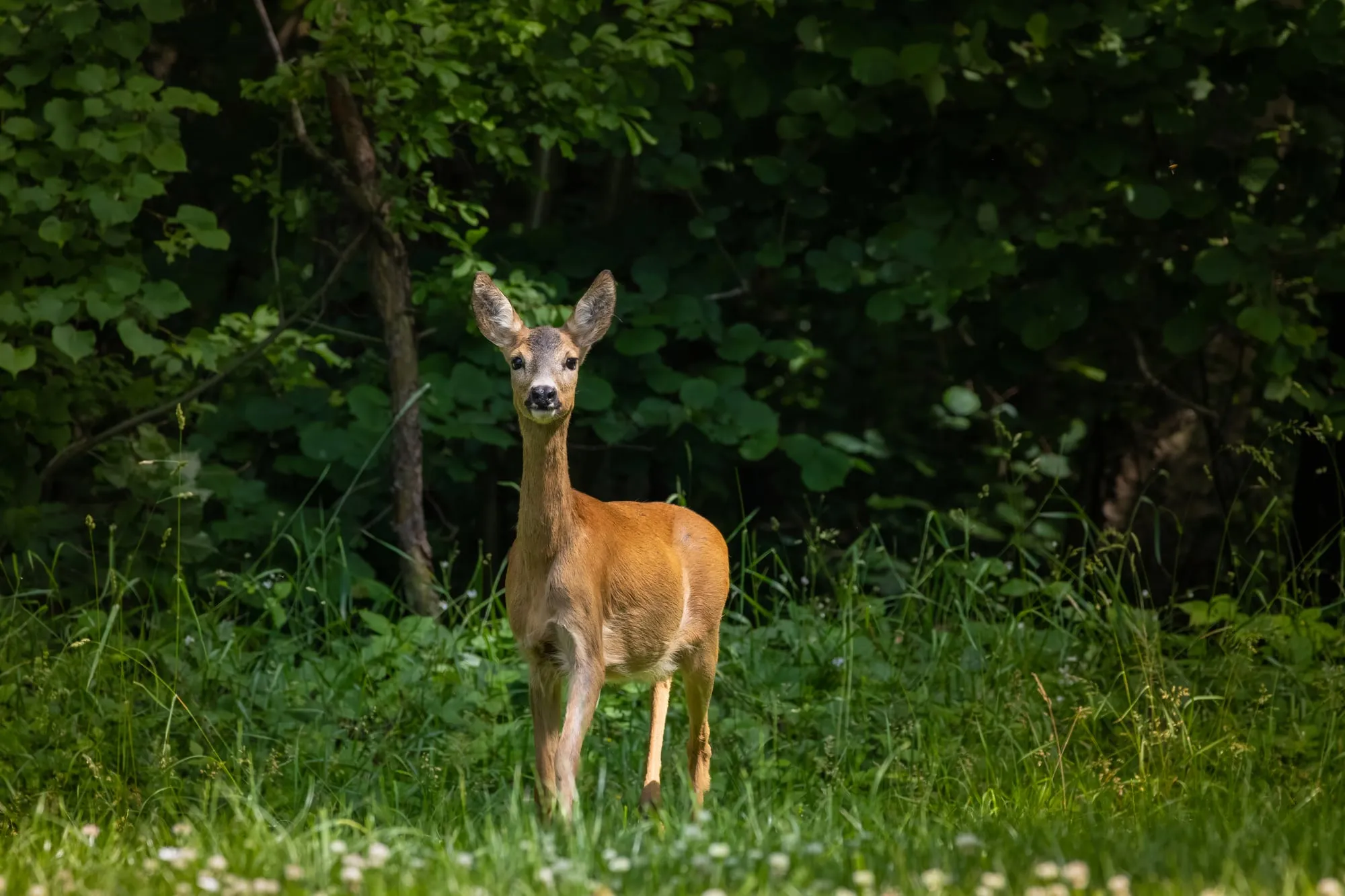
Most people begin researching planning deer-repellent applications because of something they have noticed in everyday use. It may be a recurring inconvenience, a visible change, or a project that raises new questions. East End properties often combine ornamental plantings with wooded or open areas that support regular deer movement. You do not need to know the technical answer before starting the conversation. A clear description of what is happening and what you hope to improve gives us a useful starting point.
A useful pest inspection connects activity with the conditions that may be supporting it. Looking at preferred plant species, new growth, and property edges helps show how pests may be entering, traveling, feeding, or finding shelter. One sighting can be important, but its location and timing make it far more useful. That context helps keep an isolated event from being treated like a property-wide problem.
The inspection should also consider weather, irrigation, and visible browsing. These areas may provide access, shelter, moisture, or a route into the places where activity has been noticed. They may also turn out to be unrelated. The useful part is knowing which conditions are contributing now and which ordinary property features can be left alone.
It is easy to begin with the assumption that applying on a fixed schedule without noting plant growth or pressure changes is enough. Sometimes that first thought will prove correct, but it should still fit what is happening across preferred plant species, new growth, and property edges. Checking those details keeps a familiar explanation from overshadowing the condition that brought you here in the first place.
Write down where and when you noticed the activity, then leave the area as undisturbed as practical. Cleaning away every sign before an inspection can remove useful clues. You do not need a formal report. A few clear notes or photos related to preferred plant species, new growth, and property edges can make the first conversation far more useful.
Before You Schedule Service
Access can be just as important as the condition itself. If stored items, furniture, landscaping, tenant schedules, building rules, or another project affect the area, mention that before the inspection. It gives us a realistic plan for reaching the work and helps avoid a return visit that was needed only because an important area was unavailable. When reviewing planning deer-repellent applications, keep any follow-up tied to a clear change involving visible browsing.
The main decision is how treatment timing, plant selection, fencing, and landscape habits can work together. A helpful recommendation should explain that choice in terms you can use: what will change, what will remain the same, how the work may affect your day, and what kind of maintenance or follow-up to expect. If two options are presented, the difference should be more meaningful than a basic-versus-premium label. You should be able to see what each option is intended to accomplish.
If the explanation starts to feel too technical, bring it back to three points: what is happening around preferred plant species, what role new growth plays, and what you will need to know about visible browsing later. Clear answers to those questions are usually enough to understand the plan.
It is equally important to know what does not need to change. The review may confirm that part of the property can remain as it is or that a nearby condition is unrelated. That is useful information. A good visit should narrow the concern and keep the recommendation proportional rather than turning every observation into another service or upgrade.
When you contact us about planning deer-repellent applications, we start by listening to what you have noticed and what you want to improve. From there, we look at the related conditions and explain the next step in plain language. If something cannot be confirmed during the initial inspection, we will say so. You should come away knowing what we recommend, why it fits, and what happens next.
You do not need to become an expert in planning deer-repellent applications before asking for help. Start with the way your property is used and the change you want to see. From there, details such as preferred plant species, new growth, and property edges can be put into context and turned into a plan that is understandable, useful, and appropriate for your property.