A bite pattern on a guest room arm can send every second home owner searching for bed bugs while the real story lives two floors up with bats or old roost staining. Bat bugs look close enough to bed bugs that phone photos rarely settle the file.
Hampton Pest Management will ask about attic history before we treat mattresses. Misidentification is expensive, disruptive, and avoidable when specimens and roost notes reach the lab path early.
Write down which rooms saw bites, which saw insects, and whether anyone opened attic hatches this season. That order saves a guest week from the wrong treatment list.
Why attic bugs show up in the wrong room
Bat bugs feed on bats. When roosts shrink, disperse, or get blocked without exclusion work, bugs wander down wall voids and appear near ceilings or along upper trim.
Bed bugs stay near sleeping hosts and harborages beside beds and sofas. A single bite line without bedroom staining should trigger attic questions.
Second homes make the timeline fuzzy. Activity may spike the weekend bats shift roosts or when a guest opens a dormant third floor.
Visual clues that are not enough alone
Both insects are small and oval at a glance. Microscopy separates species reliably; kitchen magnifiers usually do not.
Guano stains and rub marks near gable vents point toward bats even when nobody heard fluttering lately.
Collect intact specimens on tape or in a sealed vial without crushing. Smashed samples slow identification.
Bat history questions we will ask
Note prior bat work, one way doors, or foam at louvers. Partial fixes can move roosts without clearing bugs.
Tell us about cedar shake roofs, knee wall attics, and cupolas that stay warm on Montauk nights.
Wildlife exclusion belongs with licensed wildlife partners. Pest files should still record bug pressure after bats leave.
Bed bug pathways that stay in living space
Luggage, rental turnover, and shared staff gear move bed bugs on a different map than attic voids.
Fecal spotting on mattress seams, outlet covers beside the bed, and shed skins in nightstands fit bedroom stories.
Heat and targeted treatment plans change sharply by species. Treating the wrong insect wastes guest calendars.
Guest houses and rental liability
Tell us when guests arrive and which rooms are in service. A third floor that stays closed in May can wake bugs in October when heat turns on.
Document what you saw, where, and when. Panic launders linens while attic voids stay untreated.
Use contact with photos of bugs, stain lines, and vent areas. We will say when identification must precede any treatment list.
Professional inspection scope
Inspection should include bedrooms named in the complaint and attic access points that connect to those walls.
We coordinate with labs and wildlife rules as Suffolk County requires. The goal is the correct insect on the invoice.
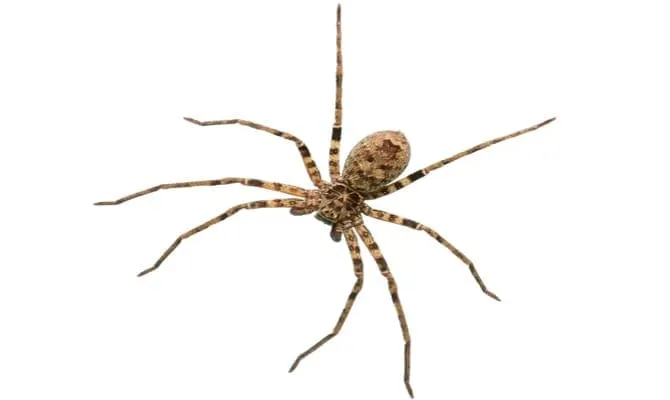
Spider and insect work is a separate column from bat exclusion. Each line should stay visible on closeout.
After identification, what changes
Bed bug programs target harborage and hosts in living space. Bat bug programs finish roost and void stories before declaring bedrooms clear.
Do not promise zero disruption until species is certain. Honest notes protect owners and guests alike.
Hampton Pest Management serves East End homes where attic history and bite complaints must share one timeline before chemicals hit the guest room.
North Fork and South Fork attic stocks
Older farmhouses on the North Fork often retain bat friendly louvers that second owners never inspected. A quiet attic in Southold can still host bat bugs that wander into a finished loft.
New construction in Water Mill may seal attics tight yet leave historic roost staining in knee walls during renovations. Tell us if contractors disturbed soffit or ridge vent work this year.
Save inspection labels and wildlife paperwork in the same folder as pest closeout. The next owner inherits both stories whether or not bites reappear next season.
Laundry and staff routes that spread worry
Housekeeping carts moving between guest wings can carry anxiety faster than insects when identification is still open.
Hold off on discarding mattresses until species is confirmed. Bat bug files often end with attic work, not bedroom heat treatment.
Reach Hampton Pest Management through contact when staff report bugs but no guest has opened the affected room in weeks. Timeline gaps matter as much as photos.